
Google Ads Expert · USA
Hire a Google Ads Expert in the United States to Generate More Qualified Leads
If you are looking to hire a Google Ads Expert in USA, you probably do not need more traffic for the sake of traffic. You need the right people to find your business, take action, and become real sales opportunities.
- Free waste & opportunity review
- You keep account ownership
- Direct access — no account managers

Tahmidur TanvirGoogle Ads Expert · PPC Consultant
$100K+/moAd spend managed
2X–7XROAS range on campaigns
Monthly ad spend managed
ROAS range across campaigns
You work directly with me
Account ownership stays yours
Proof, not promises
Real Google Ads Results From Accounts I’ve Managed
Screenshots taken directly from Google Ads accounts I have worked on. Click any screenshot to see it full size.
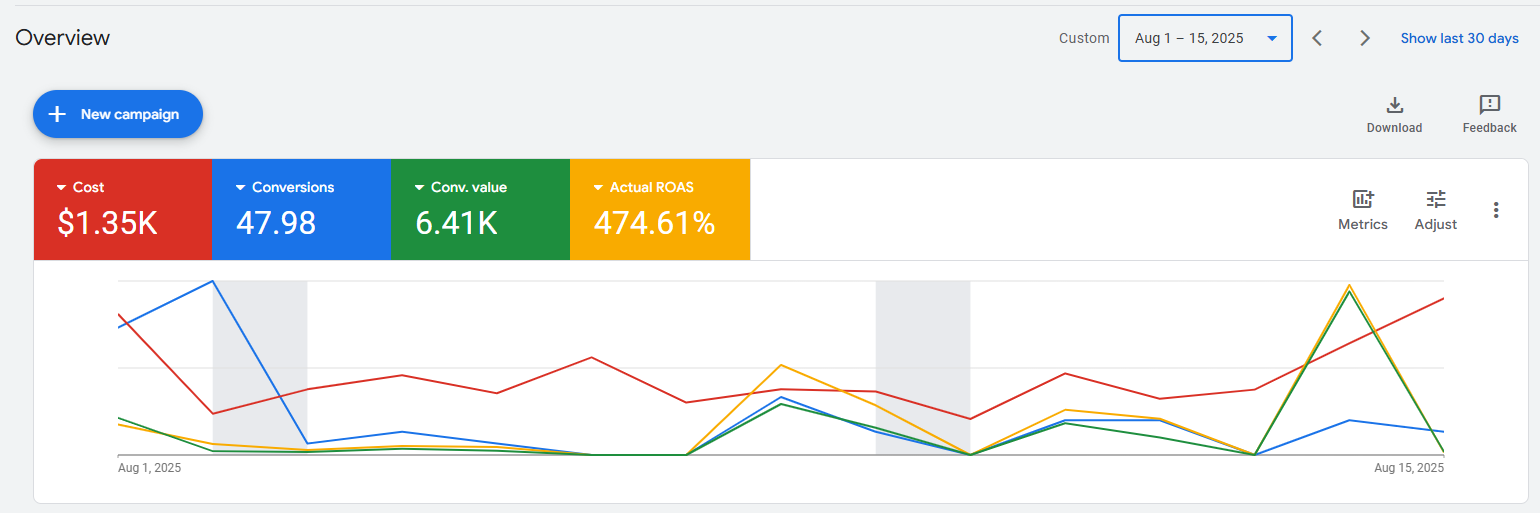

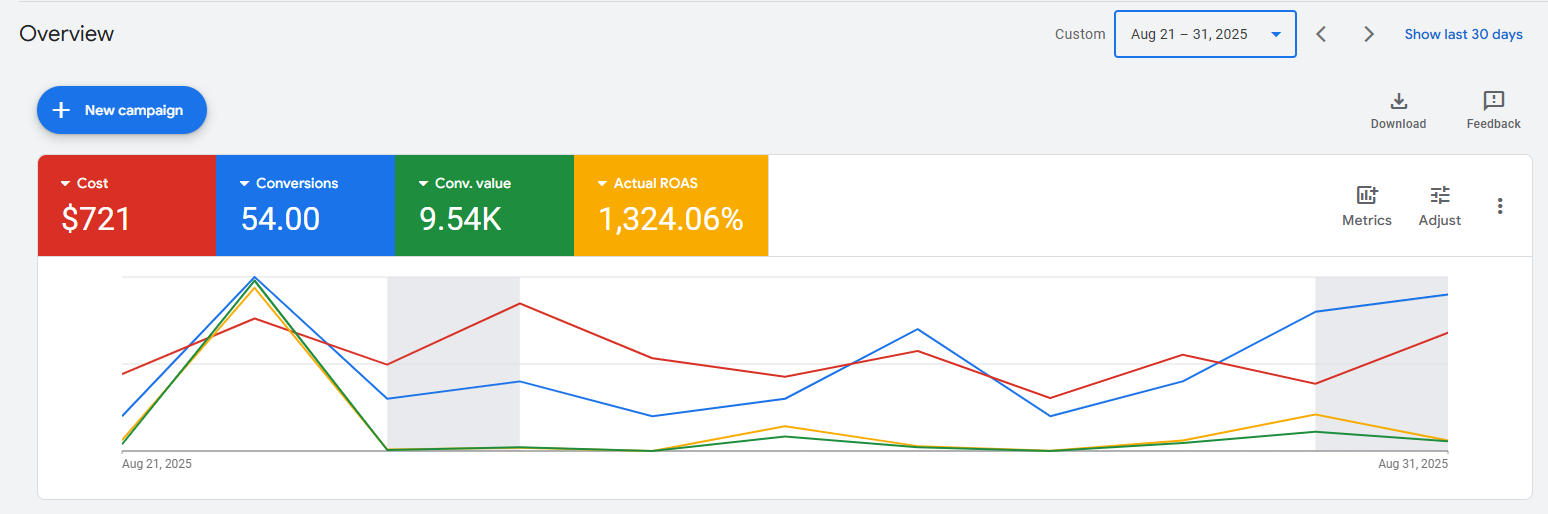
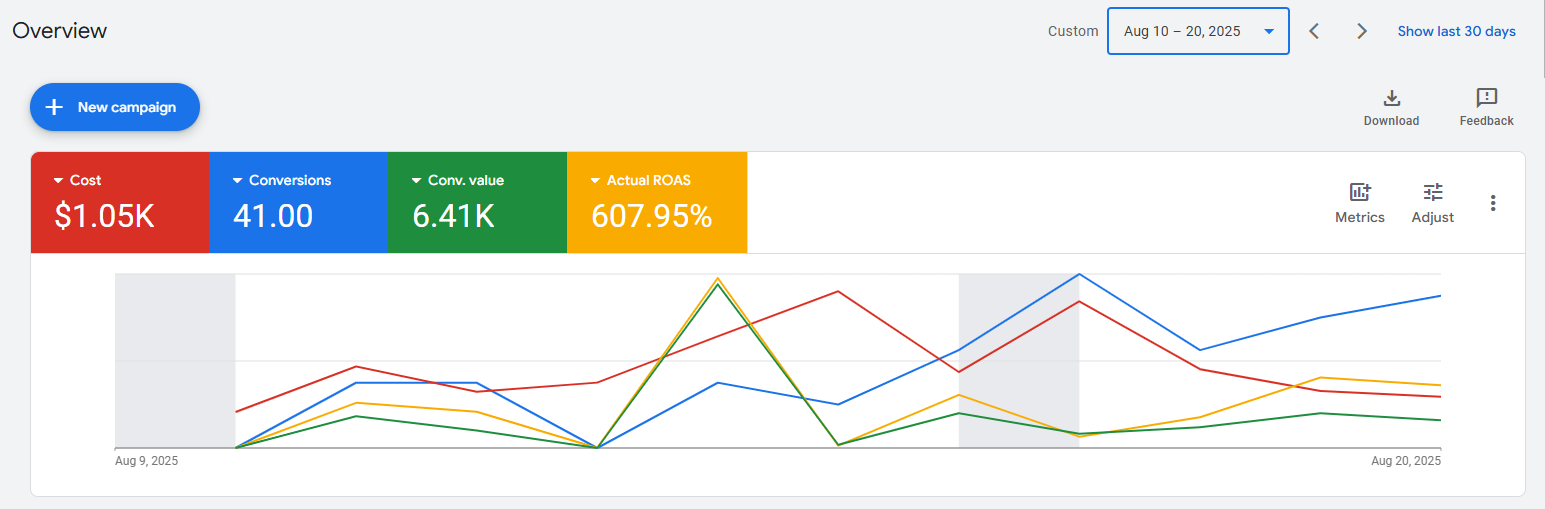
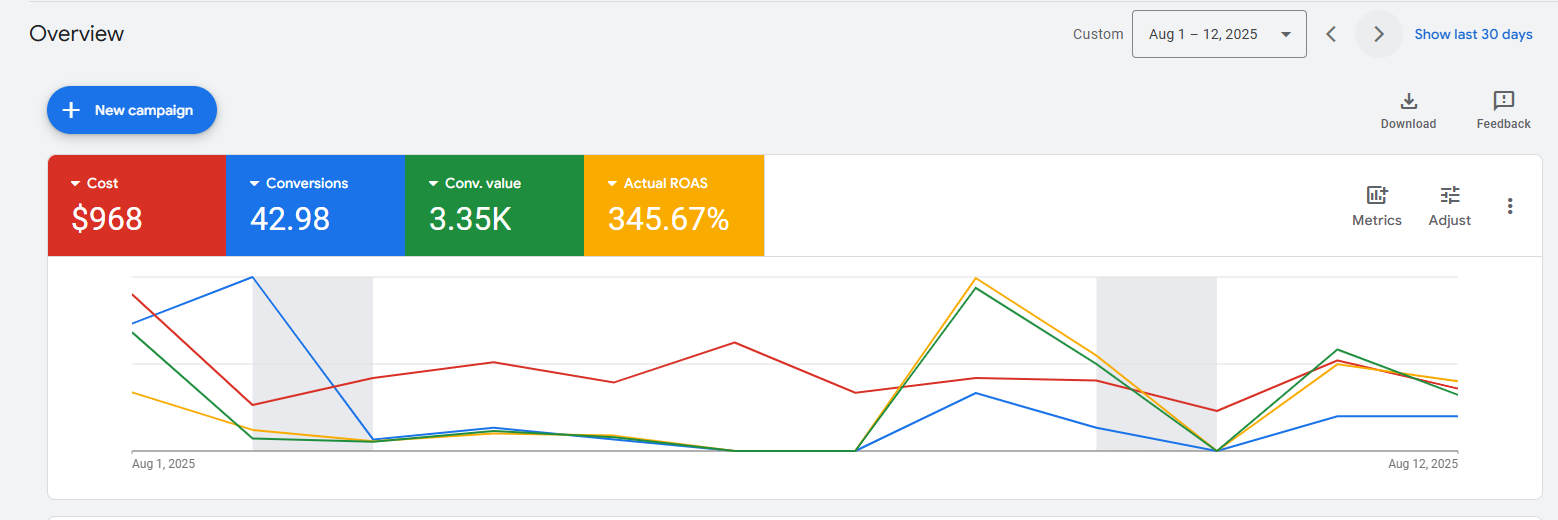
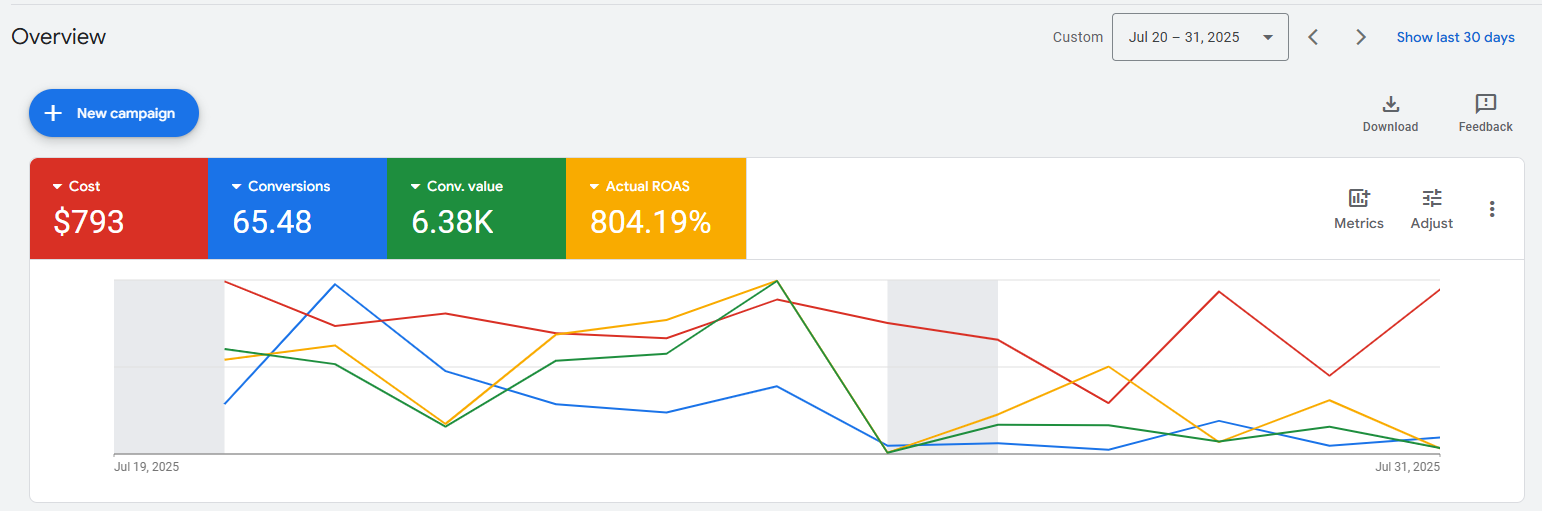
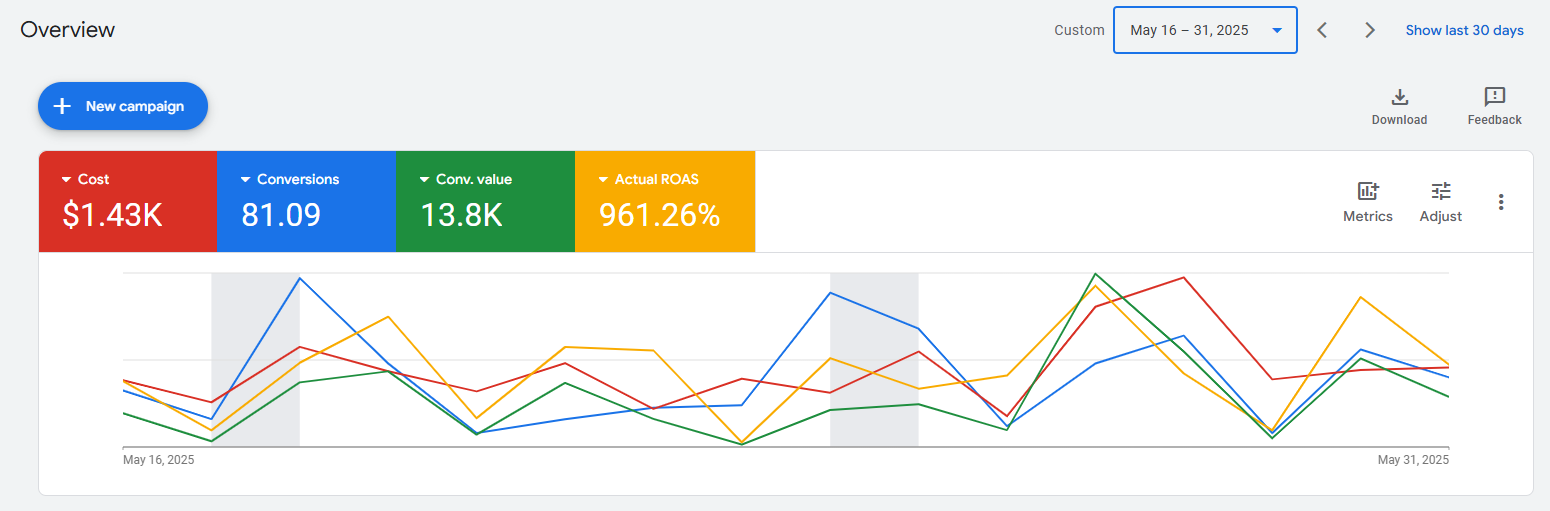
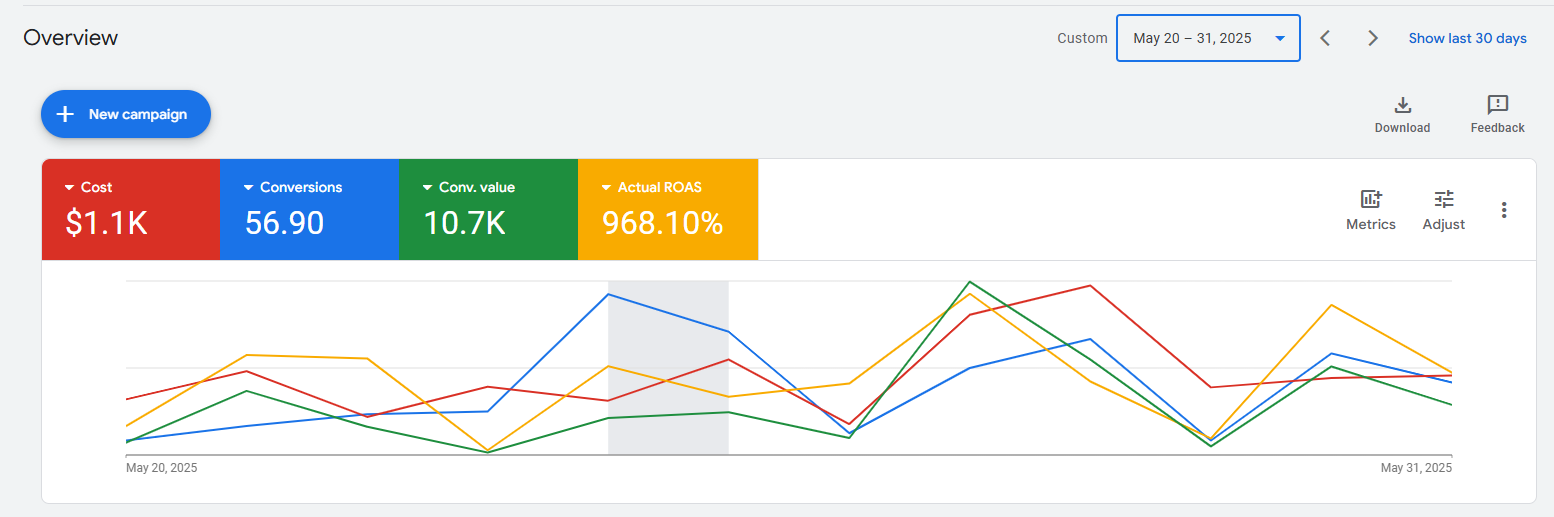
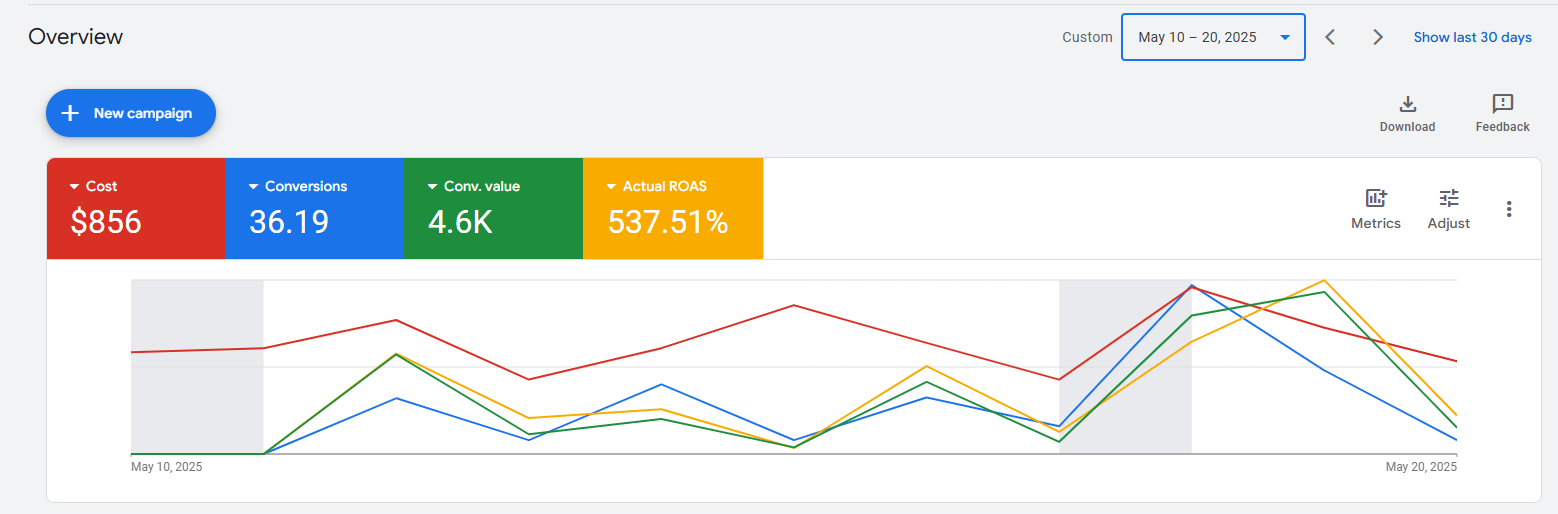

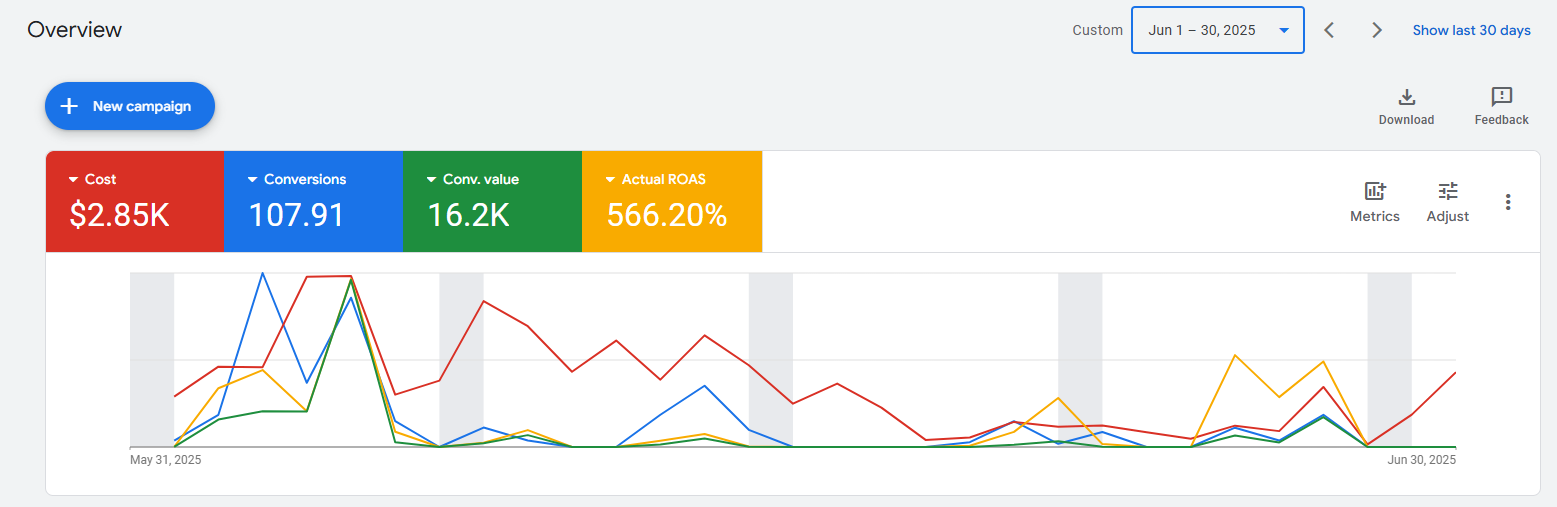

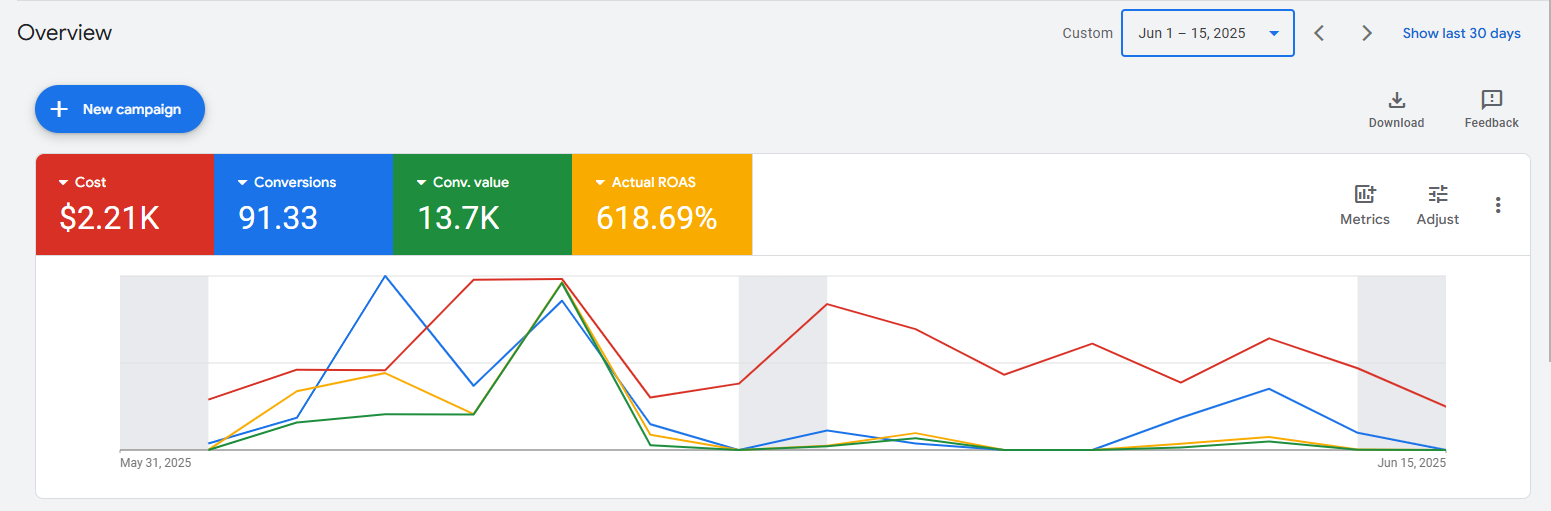

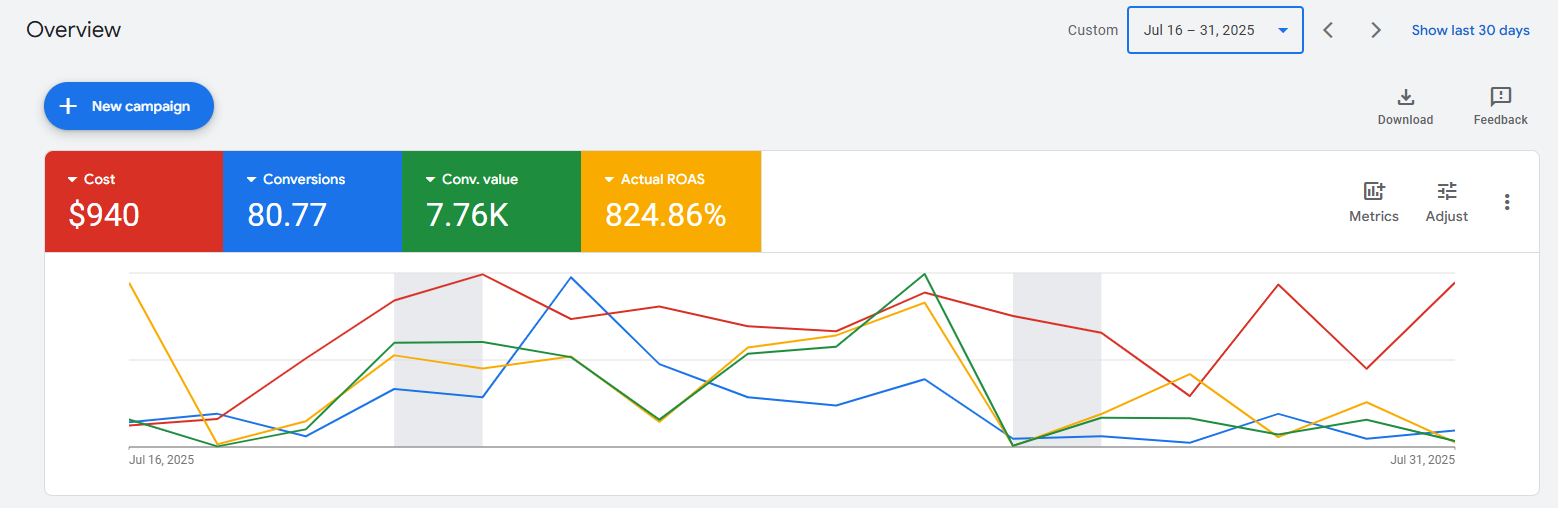
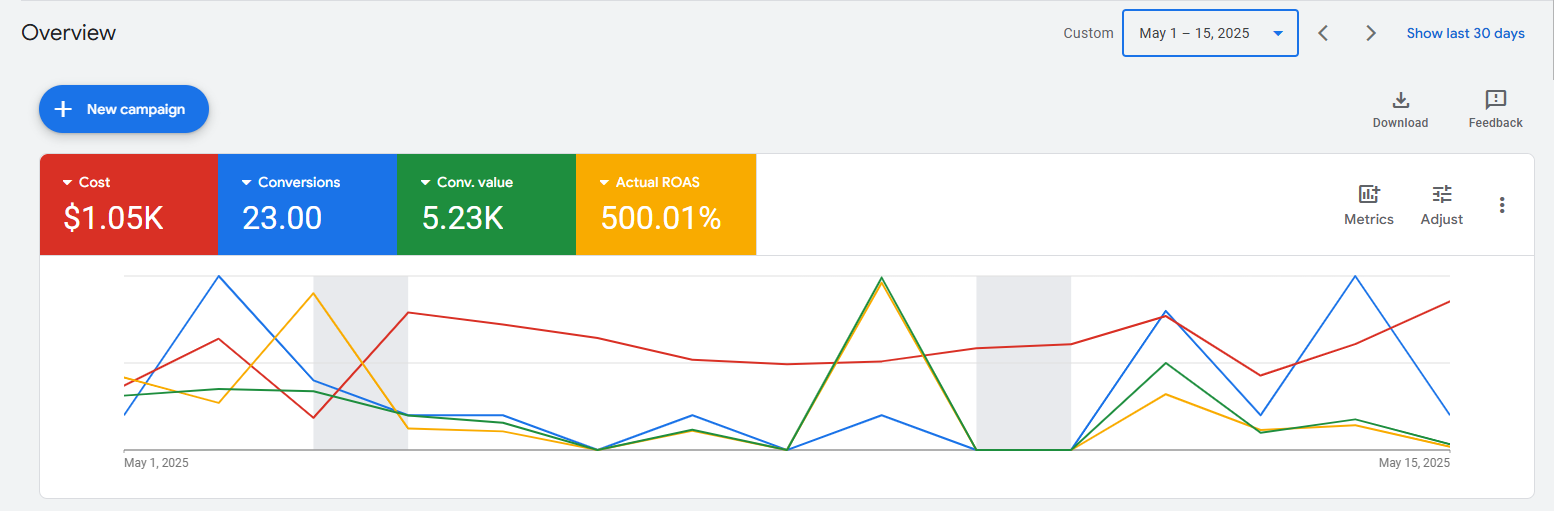
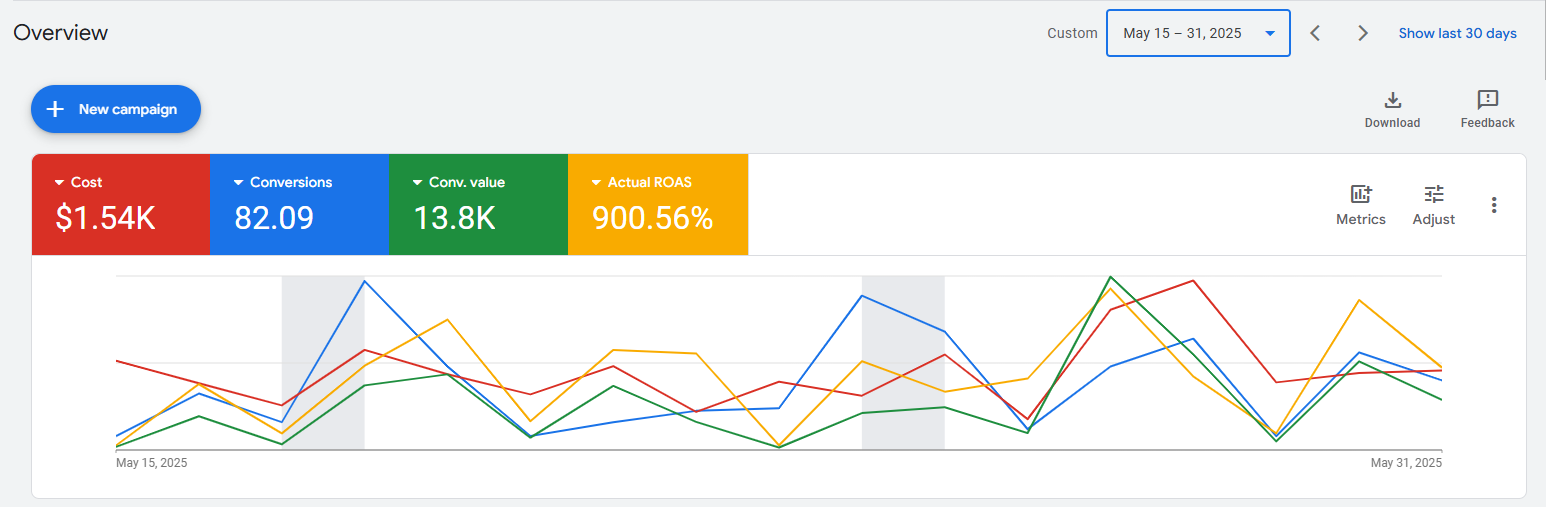
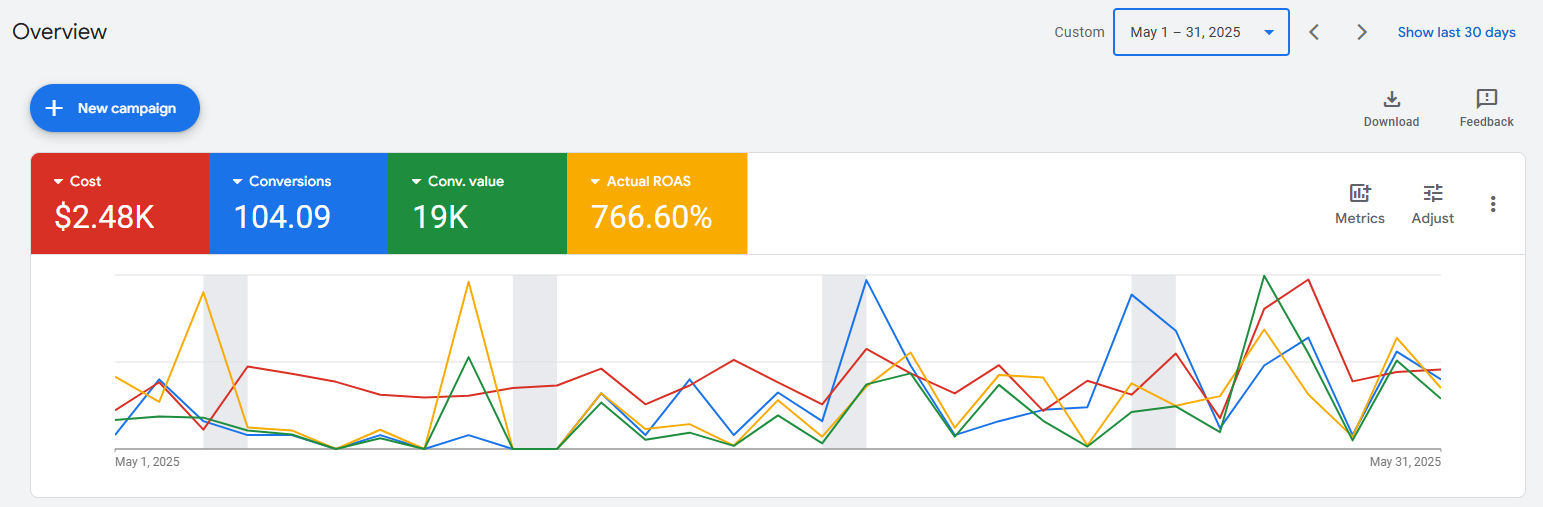

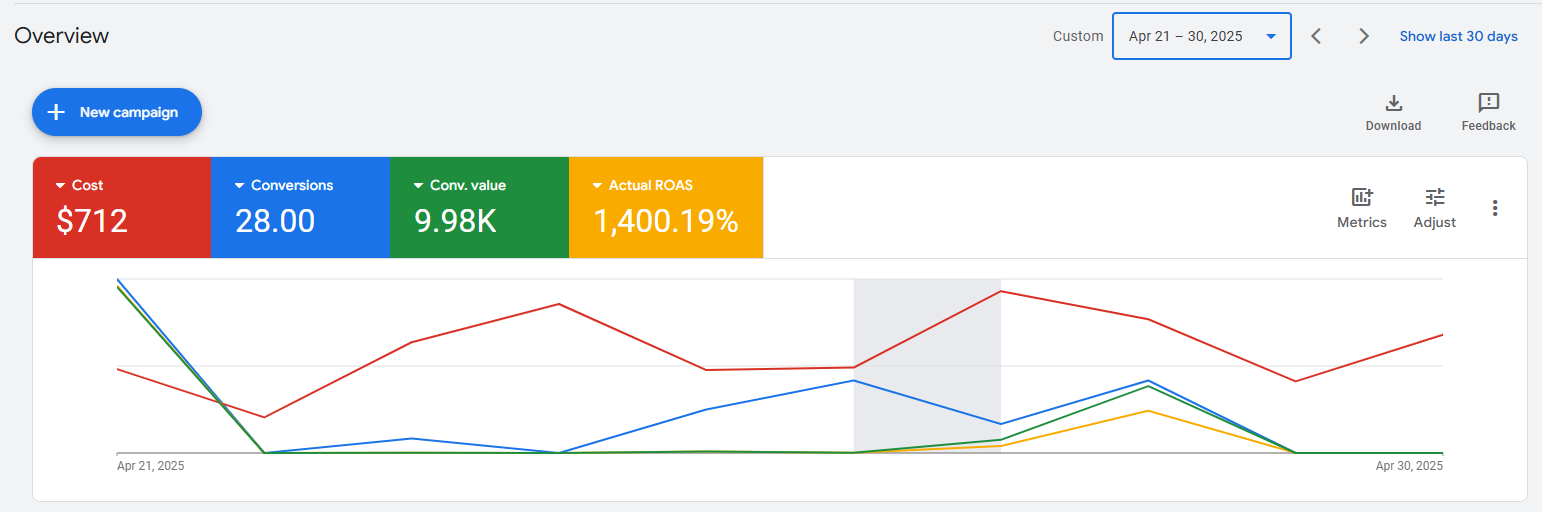

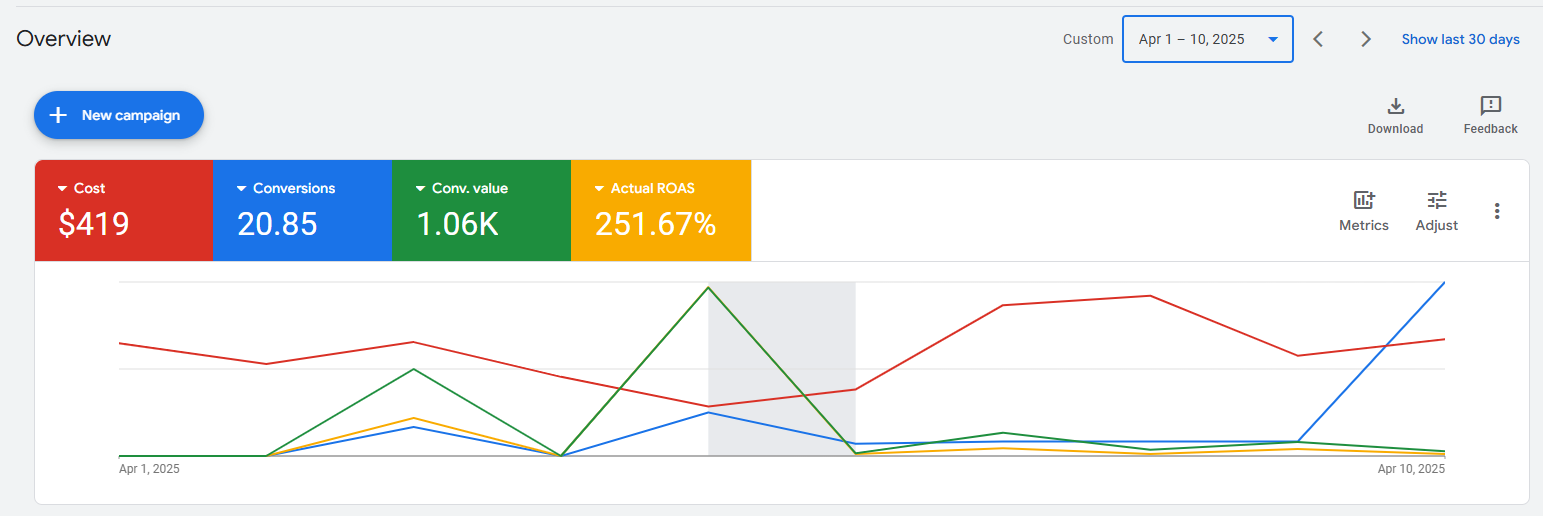
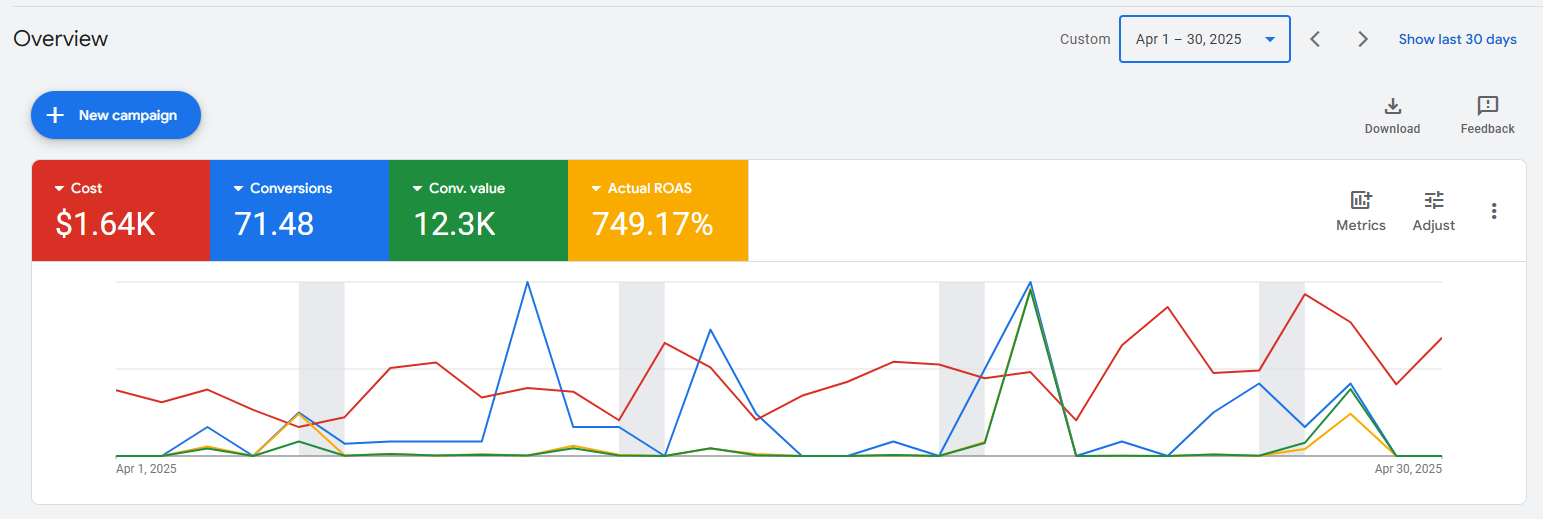
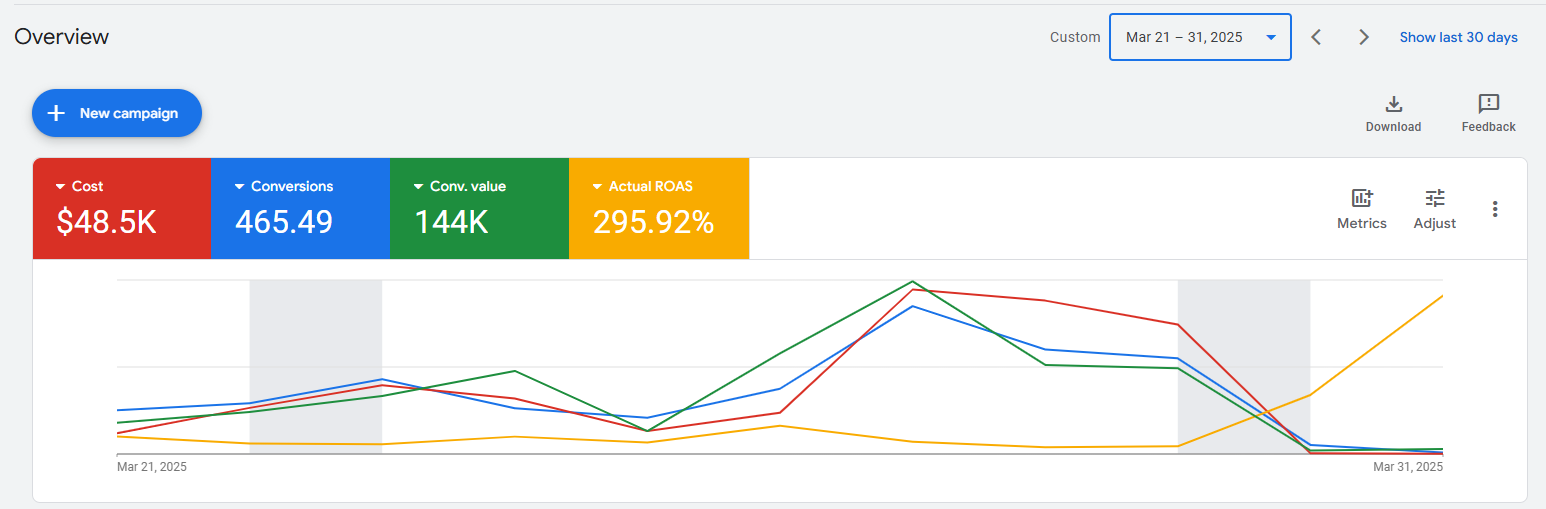
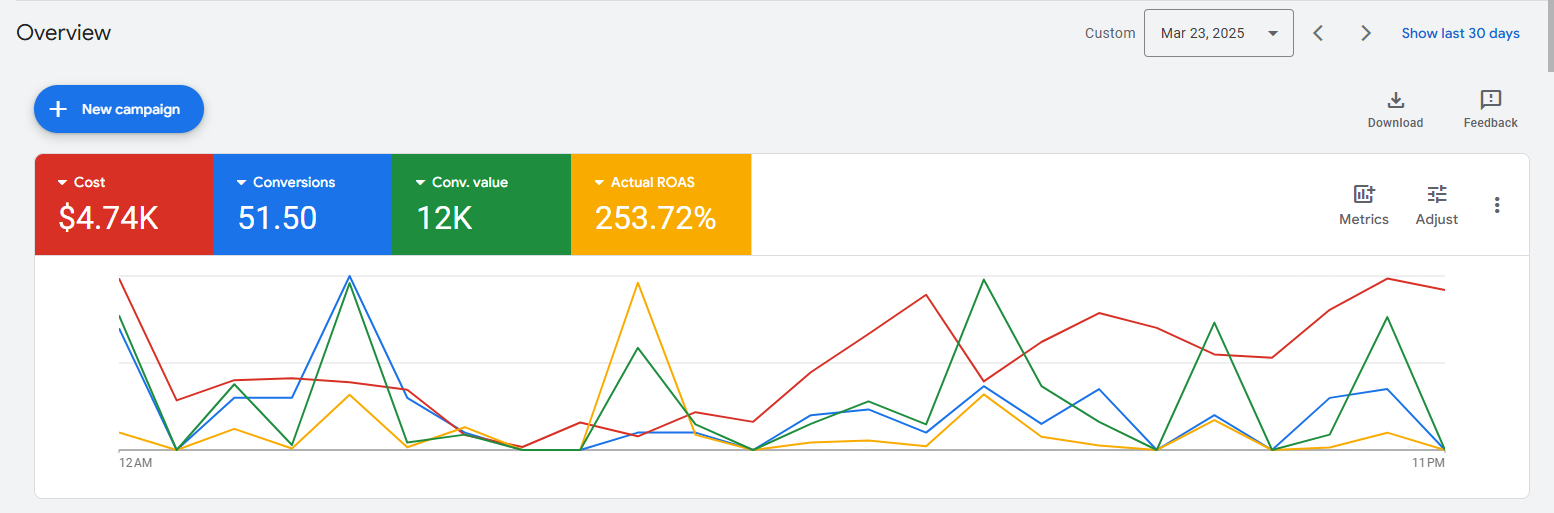
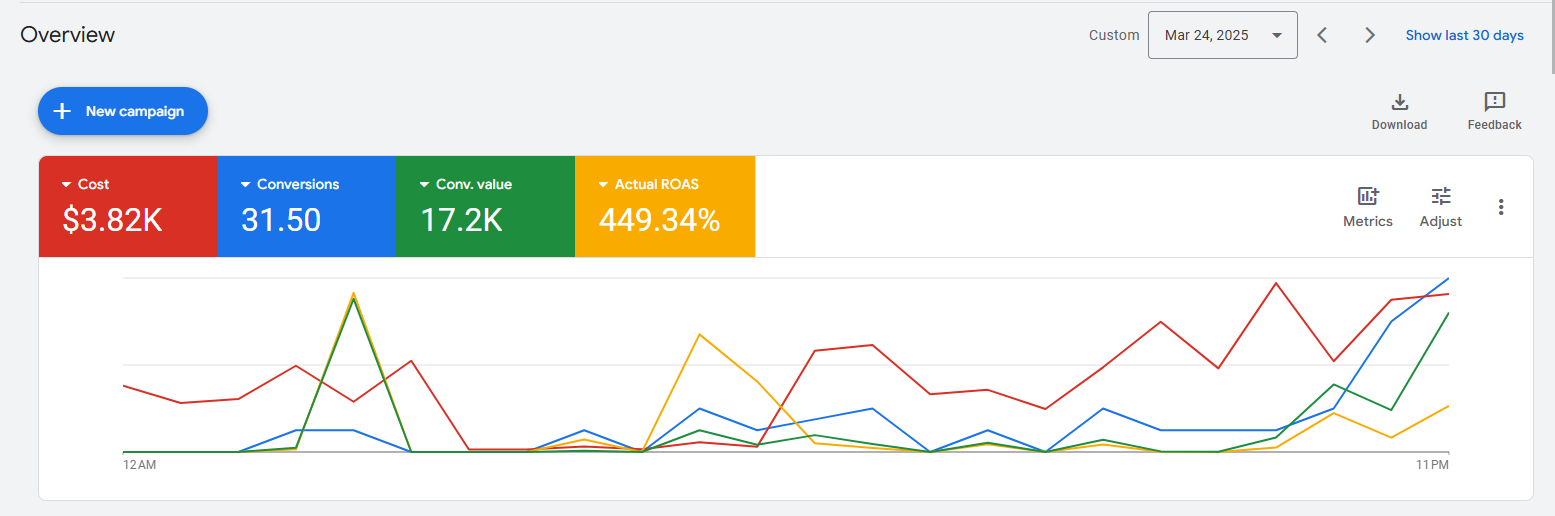
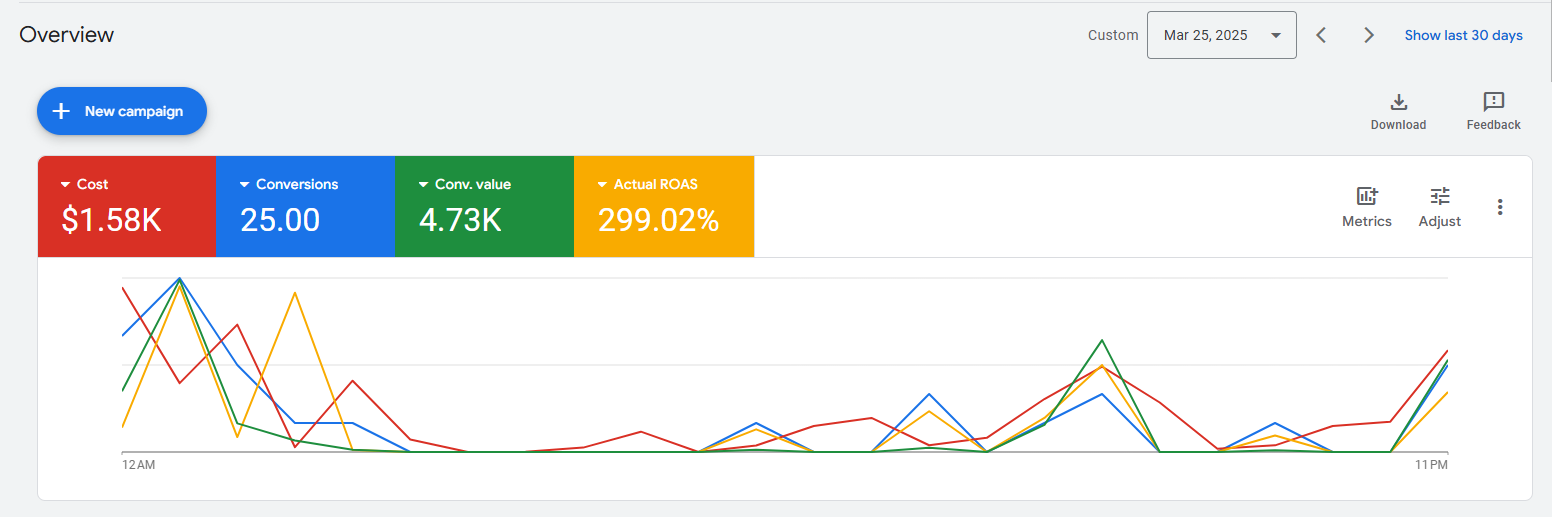

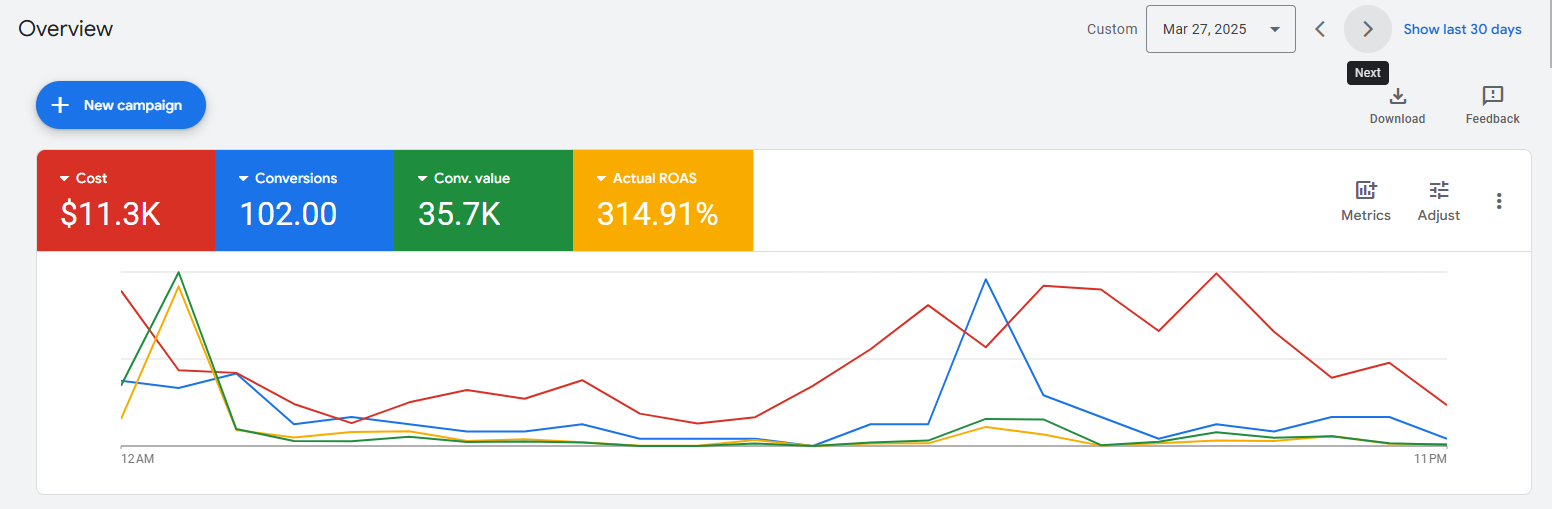

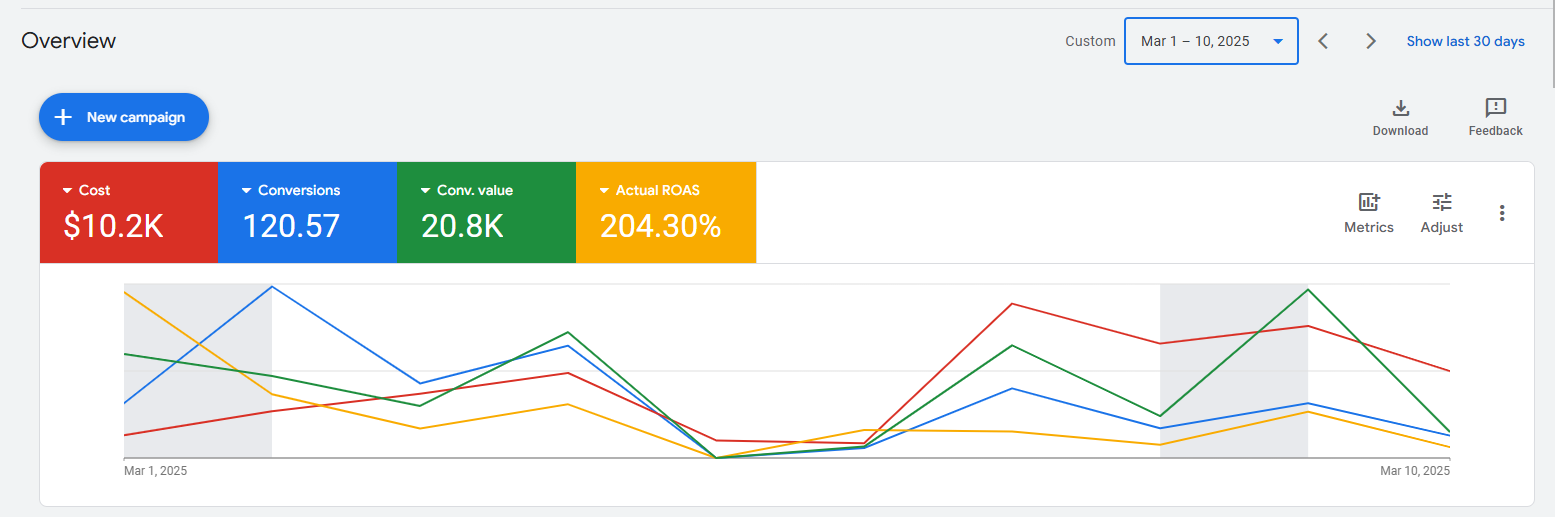

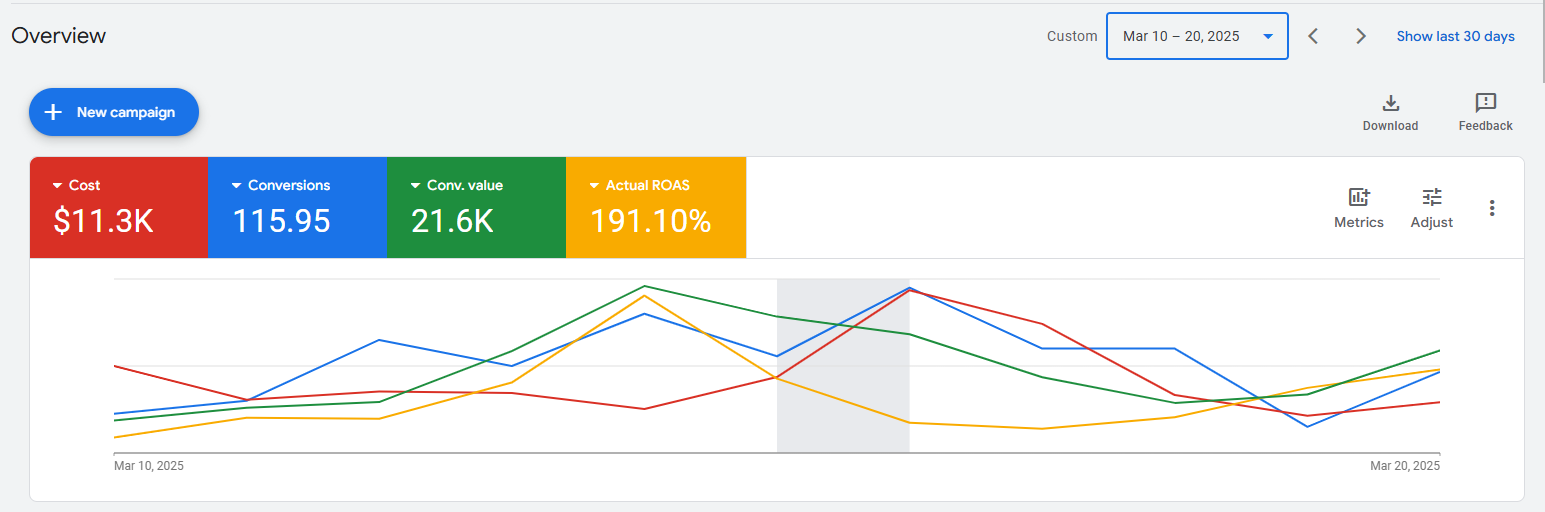
Results vary by industry, market, offer and budget. Past performance is not a guarantee of future results.
Verified by Google
Google-Certified Google Ads Expert — 9 Verified Certifications
Anyone can call themselves a Google Ads expert. These certifications are issued by Google after passing its official exams, and each one can be checked with its certificate ID.

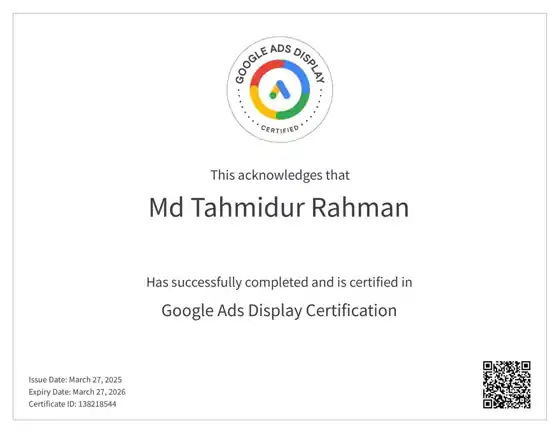


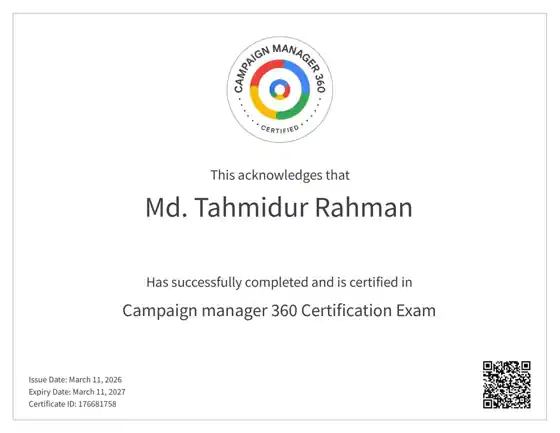



What Google’s Certifications Mean for Your Ad Spend
✓ Search: keyword strategy, bidding and ad copy that turns searches into leads
✓ AI-Powered Performance Ads: Performance Max and Smart Bidding set up with real conversion data
✓ Creative & Apps: ads and assets built to win clicks, calls and installs
✓ Campaign Manager 360: enterprise-level measurement and reporting



Work directly with me
Work Directly With Tahmidur Tanvir — Google Ads Expert for Businesses in USA
I’m Tahmidur Tanvir, a Google Ads Expert focused on helping businesses use paid search more intelligently through:
Google Ads management
PPC strategy
Search campaign management
Conversion tracking
Lead generation
Geographic targeting
Search-term optimization
Landing-page alignment
Performance analysis
Is your advertising spend helping the business acquire the right customers at a cost that makes financial sense?
If that question is difficult to answer from your existing Google Ads account, that is where I start.
Before I Recommend More Ad Spend, I Want to Understand:
- What your business sells
- Who your best customers are
- What a new customer is worth
- Which areas of USA you actually serve
- How quickly your team follows up with leads
- Whether your website converts
- What you have already tried
- What your current tracking is measuring
- Where your existing budget may be getting wasted
I am not interested in recommending Google Ads simply because you submitted a form.
If I believe the bigger problem is your offer, website, conversion tracking, lead follow-up, or campaign structure, I would rather identify that first.
Case studies
How Client Ad Spend Turned Into Real Revenue
A closer look at three client campaigns: where they started, what I changed, and what the numbers looked like afterwards.
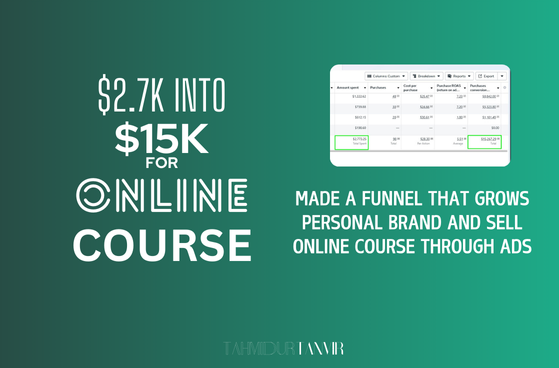
Coach · Online course
Ad spend
→
Revenue
From $2.7K in Ad Spend to $15.2K in Course Sales
This coach needed to sell an online course and grow his personal brand. I built a conversion-focused funnel and ran strategic ads to it, turning a $2,773.25 investment into $15,267.29 in sales.
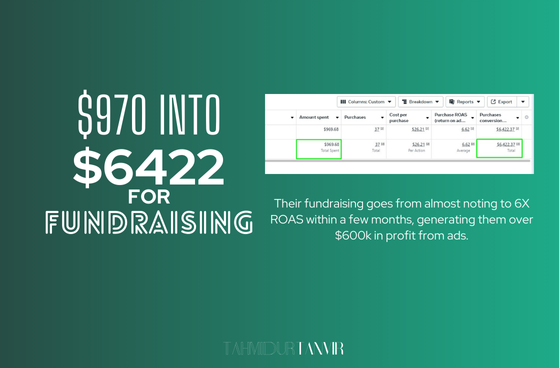
Non-profit · Fundraising
Ad spend
→
Revenue
From Losing Money to a 6X Return on Fundraising Ads
This non-profit was losing money on its fundraising ads when they brought me in. In the first month, $970 in ad spend raised $6,422, and the wider fundraising effort went on to generate more than $600K that year.
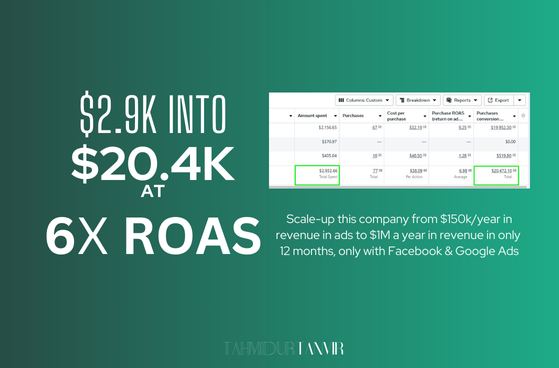
High-ticket services
Ad spend
→
Revenue
From 2X to 6X ROAS on High-Ticket Sales
This business sells high-ticket services and products. I rebuilt the ad strategy around stronger creatives and smarter retargeting, then tightened spend and targeting, turning $2.9K into $20,472.10 in revenue.
Free, no obligation
Get a Free Google Ads Waste & Opportunity Review
Send me your website and a few details about your current advertising situation.
I’ll Review Areas Such As:
Targeting
Are you reaching the locations and customers your business actually wants?
Keyword and Search-Term Waste
Are you paying for searches that are relevant to your topic but unlikely to become customers?
Conversion Tracking
Is Google optimizing toward genuine leads, calls, bookings, purchases, or other valuable actions?
Location Settings
Are you spending money outside the parts of areas you actually serve?
Campaign Structure
Are your campaigns organized in a way that makes budget and performance decisions easier?
Landing-Page Alignment
Does the page visitors reach actually match what they searched for?
Budget Allocation
Are stronger campaigns being limited while weaker campaigns continue receiving spend?
Request Your Campaign Review
Tell me where you are now and I’ll tell you what I would look at first.
Prefer to talk? Book a 30-minute call or message on WhatsApp.
An honest filter
Is Hiring a Google Ads Expert in USA Right for Your Business?
Google Ads can be powerful, but I do not believe every business should immediately start spending money on paid search.
You May Be a Good Fit If:
- You already have a clear product or service people are willing to pay for.
- Potential customers actively search for what you sell.
- Your business can handle additional leads or customers.
- You understand roughly what a customer is worth.
- You want marketing performance to be measurable.
- You are prepared to improve your landing page or follow-up process if those become bottlenecks.
- You want to make advertising decisions based on business economics rather than vanity metrics.
Google Ads May Not Be the Best Next Step If:
- You do not yet have a clear offer.
- Your website makes it difficult for visitors to understand what you sell.
- Your team cannot respond to incoming leads.
- You expect instant guaranteed sales from a new campaign.
- You want to advertise without tracking what happens after the click.
- Your economics cannot support paid customer acquisition.
I would rather identify those issues before asking you to spend more.
That protects your budget and creates a better foundation if Google Ads does become part of the growth strategy.
The real difficulty
Why Businesses in USA Hire a Google Ads Expert
Google Ads becomes expensive when mistakes are allowed to scale.
It is easy to open an account, select keywords, choose a budget, and start running ads.
A campaign can generate plenty of activity while still producing poor commercial results.
That is why my goal as a Google Ads Consultant for USA businesses is not simply to keep campaigns running.
It is to understand the complete path between your advertising spend and the business outcome you actually want.
The difficult part is determining:
- Which searches are worth paying for
- Which searches should be excluded
- Which areas deserve more budget
- Which services are economically attractive to advertise
- Whether calls and forms are being tracked accurately
- Whether Google’s automation is learning from the right actions
- Whether your landing page can convert the traffic you are buying
- Whether increasing spend would actually improve the business
Local market
United States Google Ads Market Overview
Advertising conditions are not identical across the United States.
Businesses competing in a major metropolitan area can face a completely different paid-search environment from companies serving smaller cities, suburban markets, or regional trade territories. The strategy should reflect those differences rather than treating the entire country as one uniform advertising auction.
What Makes the United States Market Different?
Commercial competition across the United States is heavily polarized between tier-one metropolitan states and expanding regional markets. In dense, high-demand states like California, Texas, Florida, and New York, local businesses compete in saturated auctions where cost per click for emergency trades, specialized legal services, and commercial contracting can easily exceed $75 to $150 per click. In contrast, businesses operating in secondary states face far less auction pressure. Applying a blanket national bidding strategy inevitably burns through daily ad budgets in expensive coastal markets within hours while underfunding high-margin opportunities across growing regional territories.
For local service and trade businesses, geographic boundaries and technician travel times dictate profitability far more than raw click volume. In sprawling metropolitan markets like Dallas-Fort Worth, Greater Houston, or Atlanta, broad radius targeting often results in field technicians spending three hours in highway traffic to reach a single low-ticket service call. Conversely, businesses in dense multi-state commuter corridors, such as the New York, New Jersey, and Connecticut tri-state area, frequently pay for clicks from prospects residing outside their legal licensing territories. A profitable Google Ads strategy must be engineered around actual dispatch logistics, technician capacity, and local licensing rather than arbitrary geographic radius circles.
The United States encompasses starkly contrasting climate zones that govern commercial search behavior and seasonal demand. Prolonged summer heatwaves across the Sunbelt create massive, non-discretionary surges for emergency residential air conditioning and commercial refrigeration replacement from May through September. At the same time, sub-zero winter freezes and lake-effect snowstorms across the Midwest and Northeast trigger immediate demand for burst pipe repairs, boiler overhauls, and structural snow removal. Furthermore, severe convective storm belts across the Central Plains and tropical storms along the Atlantic and Gulf coasts trigger sudden, localized demand for roofing, tree removal, and flood restoration that require agile, weather-responsive bidding.
Large Metro Areas vs. Smaller Markets in the United States
Businesses operating in major metro areas often face greater advertiser density because more companies are competing for the same high-intent searches.
Smaller markets may have different challenges.
Search volume can be lower, service areas can be larger, and campaigns may need to balance efficient geographic coverage with enough search demand to produce useful data.
The correct strategy depends on the market.
That is why statewide Google Ads management should analyze performance geographically instead of assuming every city deserves the same investment.
What gets in the way
Google Ads Challenges Businesses Face in the United States
Competition Can Change Dramatically by Market
A service business competing in Los Angeles or Dallas encounters a radically different level of advertising competition than a company operating in Des Moines or Boise.
That can affect:
- Cost per click
- Search volume
- Impression share
- Lead costs
- Budget requirements
- Geographic strategy
A Statewide Target Can Be Too Broad
A company may technically serve all of the United States while still having areas where customers are more valuable, easier to reach, or operationally practical.
Campaigns can be segmented around:
- Counties
- Metropolitan areas
- Cities
- Service territories
- Branch locations
- Revenue potential
Seasonal Demand Can Change Search Behavior
Midwest freeze-and-thaw cycles and severe spring hail storms trigger sudden surges in commercial roofing, siding repair, and burst pipe calls, while prolonged summer heatwaves across the Sunbelt push air conditioning infrastructure past capacity.
Seasonality may influence:
- Search volume
- Customer urgency
- Competition
- Conversion rates
- Required budgets
Local Search Intent Is Often Highly Commercial
“emergency plumber near me”
“roof repair Dallas”
“business attorney Miami”
“commercial electrician Los Angeles”
often reveal significantly stronger commercial intent than broad informational queries.
A local Google Ads campaign should be built around that distinction.
Real accounts, real numbers
What Fixing These Challenges Looks Like Inside Google Ads
Live Google Ads dashboards from accounts I manage. Click any screenshot to enlarge.
City by city
Google Ads Opportunities Across Major Markets in the United States
California
California represents one of the most competitive and expensive paid-search environments in the world, anchored by Greater Los Angeles, the San Francisco Bay Area, and San Diego. Local service contractors in California face high advertising costs alongside strict regulatory requirements, such as mandating California Contractors State License Board (CSLB) license numbers directly on ad copy and landing pages.
Because severe traffic congestion along the I-5, I-405, and 101 corridors restricts physical service radiuses, targeting an entire metropolitan county like Los Angeles leads to operational gridlock. A residential electrical contractor based in Pasadena cannot profitably take emergency calls in Long Beach during peak commute hours.
High-ticket local opportunities center on Accessory Dwelling Unit (ADU) construction, Title 24 energy-efficiency retrofits, and high-end residential remodeling. Profitable campaigns in California demand strict exact-match keyword grouping, aggressive negative keyword pruning to eliminate DIY searchers, and mobile landing pages engineered to qualify prospect budgets before a phone call is connected.
Texas
Texas is defined by rapid commercial growth, massive suburban expansion, and significant geographic sprawl across the Dallas-Fort Worth Metroplex, Greater Houston, Austin, and San Antonio. The defining challenge for Texas trade businesses is service-area management. With metropolitan areas covering thousands of square miles, campaigns that use broad 50-mile radius targeting force field crews into unmanageable drive times across I-35, I-10, and Loop 610.
Local businesses must segment campaigns into tight municipal clusters—such as separating Collin County and Denton County from Dallas proper, or isolating The Woodlands and Katy from central Houston.
Commercial search intent is heavily driven by extreme weather, including severe spring hailstorms that trigger multi-million dollar commercial roofing claims and sustained triple-digit summer heat that overwhelms residential HVAC systems. Advertisers must comply with Texas Department of Licensing and Regulation (TDLR) guidelines while deploying dayparting and bid caps that prioritize high-income zip codes during active business dispatch hours.
Florida
Florida’s paid search market is shaped by a dual demographic reality: dense, fast-moving resident populations in South Florida, Tampa Bay, and Orlando, contrasted with an annual influx of seasonal winter residents and international visitors.
In markets like Miami and Fort Lauderdale, a substantial share of commercial trade searches occurs in Spanish, requiring dedicated bilingual campaign architecture and localized landing pages rather than automated translations.
Furthermore, local contractors must navigate physical transit bottlenecks across bridges and causeways; targeting Tampa without excluding Pinellas County can lead to service crews getting stuck on the Howard Frankland Bridge for low-margin service calls.
Demand is heavily climate-driven, revolving around High-Velocity Hurricane Zone (HVHZ) building standards, impact window installation, emergency roof tarping, and pool equipment maintenance. Successful Florida campaigns separate seasonal tourist keywords from permanent homeowner queries, while maintaining pre-built weather campaign structures ready to activate the moment tropical storms approach coastal landfall zones.
New York
New York features a stark operational divide between the hyper-dense, high-cost five boroughs of New York City and Long Island versus the regional industrial and suburban markets of Upstate New York, including Buffalo, Rochester, and Albany.
In Downstate New York, customer acquisition costs in legal, medical, and luxury home trades are high, and bridge tolls, parking restrictions, and transit times strictly define where a contractor can work.
A major hazard for Downstate service businesses is cross-border commuter click waste; campaigns without strict geo-exclusions frequently pay for clicks from New Jersey and Connecticut commuters who search during their workday in Manhattan but require physical service at home where the contractor is not licensed.
In contrast, Upstate New York offers far more accessible auction costs, allowing local trades, dental practices, and commercial heating contractors to secure dominant search visibility on controlled daily budgets. Campaigns targeting New York must separate urban core zip codes from suburban and upstate territories to maintain profitable cost-per-acquisition metrics
Businesses Outside the Largest Cities
I can also help businesses targeting customers outside the largest metropolitan markets in the United States.
A smaller market does not automatically mean an easier campaign.
Lower search volume, larger service territories, and fewer daily conversion opportunities can make good targeting and measurement even more important.
Industry strategy
Industries With Strong Google Ads Opportunities in the United States
Google Ads Strategy for HVAC Companies in the United States
- Weather
- Seasonality
- Emergency demand
- Service radius
- Call response time
- Equipment replacement value
Someone searching for “how does an AC system work” has different intent from someone searching “AC repair near me.”
Campaigns should prioritize the searches most closely connected to real service demand.
For HVAC companies in the United States, the strategy may also vary depending on climate, seasonal peaks, city density, and how far technicians can realistically travel.
Google Ads Strategy for Law Firms in the United States
Legal PPC can be expensive because the economic value of a new client can be high. That makes wasted clicks especially painful.
Campaigns should separate:
- Practice areas
- Geographic markets
- Research searches
- High-intent client searches
- Branded traffic
- Non-branded traffic
- Search-term quality
- Call tracking
- Form quality
- Practice-area intent
- Location targeting
- Landing-page relevance
The goal is not simply to produce “legal leads.” The goal is to generate inquiries related to the types of cases the firm actually wants.
Google Ads Strategy for Home-Service Businesses in the United States
Home-service searches often contain strong urgency.
That can apply to:
- Plumbing
- Roofing
- Electrical services
- Contractors
- Restoration
- Garage doors
- Pest control
- Remodeling
- Service radius
- Call availability
- Emergency intent
- Mobile users
- Weather events
- Seasonal demand
A company that can only serve three counties should not casually pay for traffic from the rest of the United States.
Google Ads Strategy for Dentists and Healthcare Businesses in the United States
- Local relevance
- Trust
- Appointment tracking
- Mobile usability
- Service-specific landing pages
A prospective patient searching for emergency dental care behaves differently from someone researching a procedure for the future.
The campaign should reflect that difference.
Commercial Roofing & Severe Storm Restoration
Commercial roofing and industrial waterproofing represent high-ticket local search opportunities across the United States. Commercial building owners, property management firms, and industrial plant directors search for terms such as:
- "commercial flat roof repair Dallas"
- "emergency roof tarping Tampa"
- "industrial TPO roof replacement Chicago"
Google Ads enables certified roofing contractors to capture high-value re-roofing and restoration contracts ($40,000 to $300,000+) immediately after severe hail storms, high-wind derechos, or hurricanes impact a region.
The primary campaign challenge is preventing daily budget exhaustion on low-margin residential asphalt shingle repairs.
Winning accounts implement dedicated commercial-only keyword ad groups, strict negative keyword libraries that exclude residential and retail DIY terms, and landing pages that showcase manufacturer warranties, commercial bonding, and safety credentials.
Luxury Design-Build Remodeling & High-Ticket Trade Contracting
Luxury remodeling and design-build projects are some of the highest-value searches a contractor can win. Homeowners planning additions, whole-home renovations, high-end kitchens and ADUs search for terms such as:
- "custom home additions Los Angeles"
- "luxury kitchen remodeling Houston"
- "ADU builder San Diego"
Paid search allows licensed general contractors to capture motivated homeowners planning six-figure property overhauls.
The central challenge lies in weeding out minor handyman inquiries, cosmetic repair shoppers, and unpermitted DIY requests.
Successful campaigns deploy pre-qualifying ad copy stating minimum project investments, exact-match keyword grouping, and multi-step landing page forms that qualify home ownership, project scope, and timeline before scheduling an on-site consultation.
Commercial Fleet Maintenance & Heavy Equipment Repair
With major interstate freight corridors (including I-80, I-10, I-95, and I-75) carrying the nation’s supply chain, commercial logistics hubs, independent owner-operators, and construction contractors generate constant demand for heavy-duty repair services. Fleet managers and project superintendents search terms such as:
- "mobile diesel mechanic Atlanta"
- "semi truck repair Indianapolis"
- "heavy equipment hydraulic repair Phoenix"
Google Ads provides heavy-duty repair facilities and mobile service trucks with a direct line to commercial drivers experiencing urgent roadside breakdowns or scheduling fleet maintenance.
The main campaign challenge is eliminating consumer passenger vehicle searches that drain ad spend.
Campaigns require aggressive negative keyword lists that exclude consumer automotive makes and models, dayparting aligned with commercial fleet operating hours, and mobile click-to-call ad formats highlighting rapid on-site dispatch times.
Diagnosis before prescription
Before I Recommend Google Ads, I Look at the Business First
I do not want to diagnose every marketing problem as a Google Ads problem. Before recommending a campaign, I look at six areas.
Customer Value
What is a customer actually worth?
A business that earns $300 from a new customer cannot evaluate advertising the same way as one where a new relationship may be worth $30,000.
Your Sales Process
What happens after the lead comes in?
If qualified inquiries wait two days for a response, the advertising account may not be the biggest problem.
Website Conversion
Can a visitor quickly understand:
- What you offer?
- Who it is for?
- Why they should trust you?
- What to do next?
Service Area
Where can you realistically serve customers?
This matters heavily for local companies targeting different areas of the United States.
Competition
Who else is advertising?
How aggressively are they competing?
What type of messaging appears repeatedly?
Advertising History
If you have already run Google Ads, your historical account data can reveal useful information about:
- Search terms
- Cost
- Conversion rates
- Geographic performance
- Lead quality
- Budget limitations
How I work
My Google Ads Management Approach
Once Google Ads makes sense for the business, I focus on eight connected areas.
Understand the Business
Products, services, customers, margins, geography, sales process, and advertising goals.
Understand Search Intent
Not every relevant search is commercially valuable. I look for the difference between people researching a topic and people trying to buy.
Build the Keyword Strategy
That can include:
- Core commercial terms
- Local intent
- Service keywords
- Product searches
- Long-tail searches
- Negative keywords
Control Geographic Reach
Statewide does not always mean “target the entire state in one campaign.” Locations can be segmented when the business or data justifies it.
Structure Campaigns for Better Decisions
Services, products, locations, and different customer intentions may need separate campaigns or ad groups.
Track Real Conversions
Depending on the business:
- Phone calls
- Form submissions
- Appointments
- Quote requests
- Purchases
- Revenue
- Qualified leads
Optimize Based on Performance
That can include:
- Search terms
- Negatives
- Ads
- Bids
- Budgets
- Locations
- Scheduling
- Landing pages
Scale Where the Economics Make Sense
The goal is not to spend more simply because budget is available.
The goal is to identify where additional spend has a reasonable opportunity to create additional value.
Want This Approach Applied to Your Account?
Tell me where you are now and I’ll tell you what I would look at first.
Background
My Paid Advertising Experience
From Computer Science to Paid Media
My background started in computer science and software development.
But I became increasingly interested in the business side of growth.
You can build a good product or service, but somebody still has to create demand and acquire customers.
That pushed me deeper into marketing. I started my own marketing agency offering SEO and Facebook advertising.
Running that business taught me lessons I could not have learned from tutorials alone.
I learned:
- How difficult client acquisition can be
- Why trust matters
- Why consistency matters
- Why personal branding matters
- Why marketing cannot be separated from the sales process
I eventually moved deeper into paid media because I liked the measurable nature of advertising.
You can study:
- Search behavior
- Audiences
- Timing
- Conversion rates
- Customer acquisition cost
- ROAS
- Budget efficiency
Target carefully. Measure properly. Reduce unnecessary waste. Scale where the numbers support it.
— The way larger budgets changed how I think
I later had opportunities involving $100,000+ in monthly advertising spend.
Larger budgets reinforced something important:
- Small mistakes become expensive when campaigns scale.
- An irrelevant audience matters more.
- Bad tracking matters more.
- Poor timing matters more.
- Weak campaign structure matters more.
That experience shaped the way I think today.
Past campaign performance is never a guarantee of future results. But experience managing meaningful advertising budgets influences how I evaluate risk, tracking, and campaign economics.
The difference
Why Hire Tahmidur Tanvir Instead of a Large Google Ads Agency in the United States?
There is nothing inherently wrong with hiring a large Google Ads agency. Some businesses prefer larger teams and multiple service departments. My model is different.
Who manages the account
Working with me
The person you speak to
Typical large agency
Often assigned after you sign
Communication
Working with me
Direct — you understand the reasoning behind major campaign decisions
Typical large agency
Routed through an account manager
Reporting
Working with me
Clear measurement — reports should help you make business decisions
Typical large agency
Dashboard metrics that look busy
Account ownership
Working with me
You retain appropriate ownership and visibility
Typical large agency
Sometimes held by the agency
Commercial thinking
Working with me
The goal is customer acquisition, not the prettiest dashboard
Typical large agency
Optimized for platform metrics
Local presence
Working with me
No fake office locations — the campaign targets your real customers and real service territory
Typical large agency
Pages claiming an office in every city
When you work with me, the value is direct access to the person thinking about the account.
You are not hiring a brand name and then wondering who actually manages your advertising.
My Priorities Are:
- Direct Communication — You should be able to understand the reasoning behind major campaign decisions.
- Clear Measurement — Advertising reports should help you make business decisions.
- Transparency — You should have appropriate ownership and visibility into your account.
- Commercial Thinking — The goal is not to create the prettiest advertising dashboard. The goal is customer acquisition.
- No Fake Local Presence — I will not create fake office locations or pretend to physically operate from every city in the United States.
Certified & accountable
You Work With a Google-Certified Expert, Not a Junior Account Rep
Watch
Get to Know How I Work Before You Reach Out
Two short videos: why businesses choose to work with me, and what clients say about the experience.
Why Hire Me as Your Google Ads Expert?
A quick introduction to who I am and how I approach Google Ads for businesses that want measurable leads, not just clicks.
What Clients Say About Working With Me
Hear directly from a client about the process and the results of working together.
Live from the ad account
Google Ads Strategy Breakdowns From a Working Google Ads Expert
The exact frameworks I use to cut wasted spend and generate qualified leads for clients across the United States. Each new breakdown appears here the moment it is published.
Services
Google Ads Management Services in the United States
Depending on your needs, I can help with:
Google Search Ads
For businesses targeting people actively searching for a service, product, or solution.
Google Ads Audits
For existing accounts where you want to identify waste, tracking problems, structural issues, or missed opportunities.
Conversion Tracking
For businesses that need clearer measurement of calls, forms, appointments, purchases, or revenue.
Performance Max
For accounts where Performance Max makes sense and the campaign has appropriate conversion signals, assets, targeting inputs, and business objectives.
Remarketing
For reconnecting with visitors who showed meaningful interest but did not convert.
YouTube Advertising
For companies where video can support education, product demonstration, awareness, or remarketing.
Landing-Page Conversion Review
For campaigns where paid traffic is arriving but too few visitors become leads or customers.
Not sure which you need?
Start with the free review. I will tell you what I would prioritize first.
What happens next
What Happens After You Contact Me?
I want this process to be clear before you submit anything.
Step 1: You Send Me Your Information
Tell me:
- Who you are
- What the business does
- Your website
- Your current challenges
- Approximate monthly budget
- Your goals
I Review the Business and Advertising Situation
I look for the biggest problems or opportunities first.
I Identify What Deserves Attention
That could include:
- Keywords
- Search terms
- Tracking
- Geography
- Budget allocation
- Campaign structure
- Landing pages
- Lead quality
I Explain What I Would Prioritize
You should understand the reasoning behind the recommendation.
We Decide Whether Working Together Makes Sense
Not every business needs ongoing Google Ads management.
Sometimes an audit or strategic review may be the better starting point.
Pricing
How Much Does Google Ads Management Cost in the United States?
There is no single Google Ads management fee that makes sense for every business.
Pricing depends on factors such as:
- Monthly ad spend
- Number of campaigns
- Number of products or services
- Number of geographic markets
- Ecommerce complexity
- Tracking requirements
- Existing account condition
- Reporting needs
Your Google Ads budget and your management fee are separate.
Before discussing a management arrangement, I want to understand how complex the account actually is.
A small local service campaign should not automatically be priced or managed like a large ecommerce account spending significantly more each month.
Want to Know What Makes Sense for Your Business?
Google Ads Consultant in the United States
Some businesses do not need a full-service agency. They need someone who can answer difficult questions.
As a Google Ads Consultant for businesses in the United States, I can help you think through questions such as:
- Should we increase our budget?
- Why did cost per lead increase?
- Should campaigns be separated by city?
- Should we run Performance Max?
- Which conversions should Google optimize toward?
- Are we paying for irrelevant search terms?
- Should we keep managing the account internally?
- Does the landing page need to change?
Consulting is not about creating more advertising activity.
It is about creating better decisions.
PPC Expert in the United States
If you are searching for a PPC Expert in the United States, remember that PPC management involves more than changing bids.
Good paid-search management connects:
Customer Intent
→
Keyword
→
Advertisement
→
Landing Page
→
Conversion
→
Lead Quality
→
Revenue
A weakness anywhere in that chain can reduce performance.
That is why I look at the system rather than isolating one metric.
Google Ads Specialist for Businesses in the United States
The Google Ads platform contains a large number of settings, recommendations, bidding options, audiences, automation features, campaign types, and reports.
Knowing how to operate those features matters. But the bigger question is:
Which features actually make sense for your business?
A Google Ads Specialist should be able to use the platform without losing sight of:
- Customer value
- Lead quality
- Profitability
- Geography
- Sales capacity
- Business priorities
That is the standard I try to apply.
Where money leaks
Common Reasons Google Ads Budgets Get Wasted
Paying for the Wrong Search Intent
A keyword may be related to your industry without representing a potential customer.
Weak Negative Keyword Management
Irrelevant searches can quietly consume budget.
Incorrect Location Settings
Local businesses can pay for traffic outside realistic service areas.
Poor Conversion Tracking
Automation cannot make intelligent decisions if the conversion signals are misleading.
Sending Every Visitor to the Homepage
High-intent searches often need more relevant landing experiences.
Ignoring Search-Term Reports
What customers actually typed matters.
Measuring Leads Without Measuring Quality
Twenty bad inquiries are not necessarily better than five good ones.
Increasing Budget Before Diagnosing the Problem
More money can simply scale the inefficiency that already exists.
Wasted spend, recovered
From Budget Leaks to Profitable Campaigns
Live Google Ads dashboards from accounts I manage. Click any screenshot to enlarge.
Not Sure Where Your Budget Is Leaking?
Send me your website and current setup. I’ll point out the waste I would fix first, free and with no obligation.
Channel choice
Google Ads vs. SEO vs. Facebook Ads
My background includes SEO and Facebook advertising, which is one reason I do not believe every marketing problem requires Google Ads.
Google Ads
Best suited to situations where people already search for the solution.
The primary strength is demand capture.
SEO
Useful for building long-term search visibility and organic traffic.
SEO and Google Ads can work together, but they operate differently.
Facebook and Instagram Ads
Often useful for creating awareness and demand through audiences and creative, even before someone searches.
The question is not: “Which marketing channel is always best?”
The better question is: “Where and how does your customer make the buying decision?”
City pages
Google Ads Help in 3158 US Cities and Towns
Pick your state above to see every city page.
Questions
Google Ads FAQs
How Competitive Are Google Ads Keywords in the United States?
Competition varies significantly by industry and location. In high-density commercial markets across California, Texas, Florida, and New York, search auctions for personal injury legal practices, commercial roofing, emergency HVAC, and private healthcare rank among the most expensive in the world, with cost-per-click rates regularly exceeding $100 for premium terms.
In contrast, secondary and regional markets across the Midwest, Mountain West, and South feature substantially lower advertiser saturation, allowing regional businesses to capture top search positions with controlled daily budgets.
A nationwide average can hide major differences between markets.
That is why I prefer evaluating the actual keywords, cities, services, and competitors relevant to your business.
Which Industries Commonly Use Google Ads in the United States?
Google Ads is heavily utilized across the United States by commercial roofing contractors, emergency trade services, high-ticket design-build remodelers, heavy fleet repair shops, personal injury law firms, and specialized dental and healthcare clinics.
These industries rely on paid search because commercial search intent is urgent and transaction values are high.
When a commercial flat roof leaks, an air conditioning compressor fails in mid-summer, or a commercial fleet vehicle breaks down on the highway, buyers turn to Google Search for an immediate, qualified solution.
Capturing an emergency commercial repair contract or a major residential remodeling project delivers an immediate return on ad spend that passive marketing channels cannot match.
Should I Target All of the United States or Individual Cities?
That depends on where customers are located and where your business can realistically serve them.
For some businesses, nationwide targeting makes sense.
For others, separating high-cost states like California, Texas, Florida, and New York from secondary regional markets provides far better budget control.
Dividing campaigns by state, metropolitan market, or operational service radius ensures that aggressive, high-cost metropolitan auctions do not consume the budget needed to capture profitable leads in secondary regional territories.
Are Google Ads More Expensive in the Largest Cities in the United States?
They can be, especially when a larger number of advertisers compete for the same commercial searches.
However, cost per click alone does not determine profitability.
A more expensive market can still make sense if:
- Conversion rates are stronger
- Customer values are higher
- Lead quality is better
Can Google Ads Work for Businesses Outside Major United States Cities?
Yes.
Smaller markets can still contain strong commercial search demand.
The campaign may simply need a different strategy around:
- Search volume
- Geographic reach
- Budget
- Service radius
- Conversion data
Can Google Ads work for a small business?
Yes, when people search for what the business sells and the customer economics can support paid acquisition.
A small business should not assume it needs a massive budget.
But it does need enough budget to compete and collect useful data.
How quickly can Google Ads generate leads?
Campaigns can begin receiving traffic after approval, but that does not mean the account is immediately optimized.
Lead generation depends on:
- Demand
- Competition
- Budget
- Offer
- Website
- Tracking
- Geography
Can you audit an existing Google Ads account?
Yes. That is often one of the best starting points.
I can review areas such as:
- Search terms
- Keywords
- Locations
- Conversion tracking
- Campaign structure
- Bidding
- Budgets
- Landing pages
Should I manage Google Ads myself?
You can.
Internal management can work when someone has the time, technical knowledge, and accountability to manage it properly.
The problems usually begin when Google Ads becomes somebody’s occasional side task.
Do I keep ownership of my Google Ads account?
Your business should retain appropriate ownership and access to its advertising assets.
I believe transparency is important.
You should understand what is happening inside your account.
What should I look for when hiring a Google Ads Expert in the United States?
Ask:
- Who will manage the account?
- How will success be measured?
- How are conversions tracked?
- How are search terms reviewed?
- How is lead quality evaluated?
- How are locations managed?
- Who owns the account?
- When would you recommend decreasing spend?
Those questions tell you much more than a sales pitch.
About
About Tahmidur Tanvir
Google Ads Expert, PPC Consultant & Paid Media Strategist
I’m Tahmidur Tanvir, the person behind Hire Google Ads Expert.
My background combines:
Computer science
Software development
SEO
Agency ownership
Facebook advertising
Google Ads
Paid media strategy
Conversion tracking
Customer acquisition
My career has taught me that businesses do not need more marketing activity.
They need better systems for turning attention into customers.
That is why my work focuses on the connection between:
Traffic
→
Intent
→
Conversion
→
Lead Quality
→
Business Value
I want businesses to understand what they are spending, what is working, where money is being wasted, and what should happen next.
Tahmidur Tanvirhiregoogleadsexpert.com
Start here
Hire Tahmidur Tanvir as Your Google Ads Expert in the United States
You do not need to decide immediately whether you need months of campaign management.
Start with the problem. Tell me:
- What your business sells
- Where you operate
- What you currently spend
- What is not working
- What you want Google Ads to achieve
I will look at the account or opportunity from there.
What You Receive From the Initial Review
- Targeting
- Keywords and search terms
- Potential wasted spend
- Conversion tracking
- Location settings
- Campaign structure
- Budget allocation
- Landing-page alignment
Then I can explain what I believe deserves attention first.
I’m Tahmidur Tanvir — Google Ads Expert helping businesses in the United States build more measurable, disciplined, and performance-focused paid advertising campaigns.
Request Your Google Ads Waste & Opportunity Review
Usually answered within minutes or one business day.
Prefer to talk? Book a 30-minute call or message on WhatsApp.