
Google Ads Expert · Dentists
Google Ads Expert for Dentists Who Turns Waste Into Booked Work
If you run a dental practice, you do not need more clicks for the sake of clicks. You need the right patients to find you at the moment they are ready to call, book or request a quote, at a cost that makes financial sense.
- Free waste & opportunity review
- You keep account ownership
- Direct access — no account managers

Tahmidur TanvirGoogle Ads Expert · PPC Consultant
$100K+/moAd spend managed
2X–7XROAS range on campaigns
Monthly ad spend managed
ROAS range across campaigns
You work directly with me
Account ownership stays yours
Verified by Google
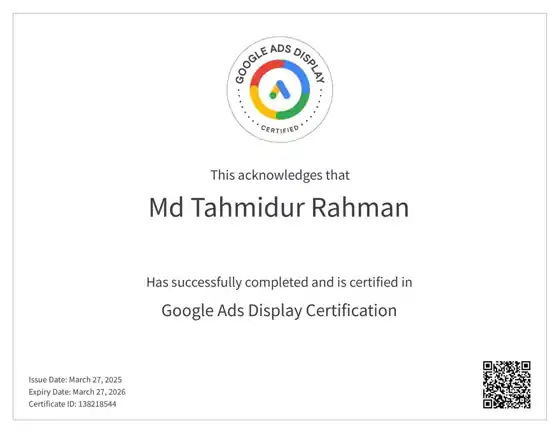
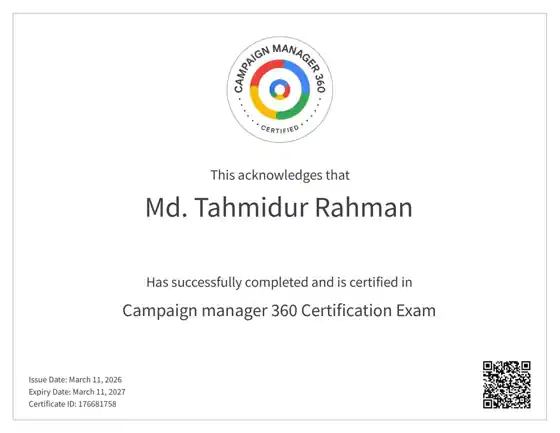
Google-Certified Google Ads Expert — 9 Verified Certifications
Anyone can call themselves a Google Ads expert. These certifications are issued by Google after passing its official exams, and each one can be checked with its certificate ID.






What Google’s Certifications Mean for Your Ad Spend
✓ Search: keyword strategy, bidding and ad copy that turns searches into leads
✓ AI-Powered Performance Ads: Performance Max and Smart Bidding set up with real conversion data
✓ Creative & Apps: ads and assets built to win clicks, calls and installs
✓ Campaign Manager 360: enterprise-level measurement and reporting



Real accounts, real numbers
What Fixing These Challenges Looks Like Inside Google Ads
Live Google Ads dashboards from accounts I manage. Click any screenshot to enlarge.
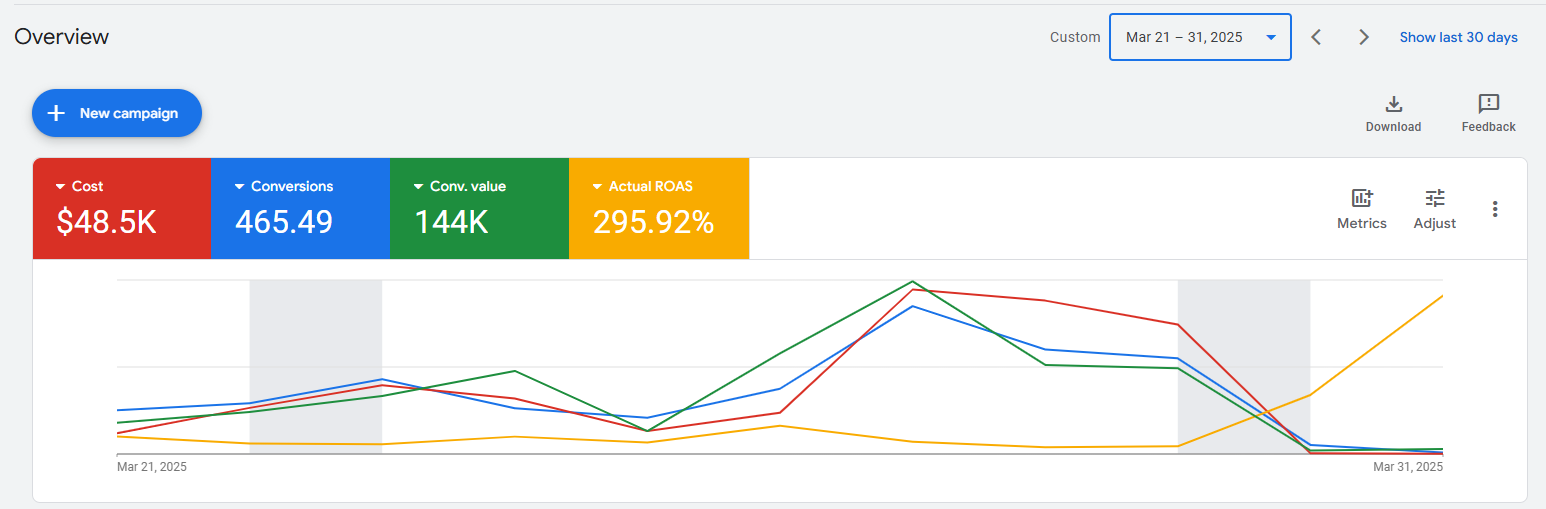
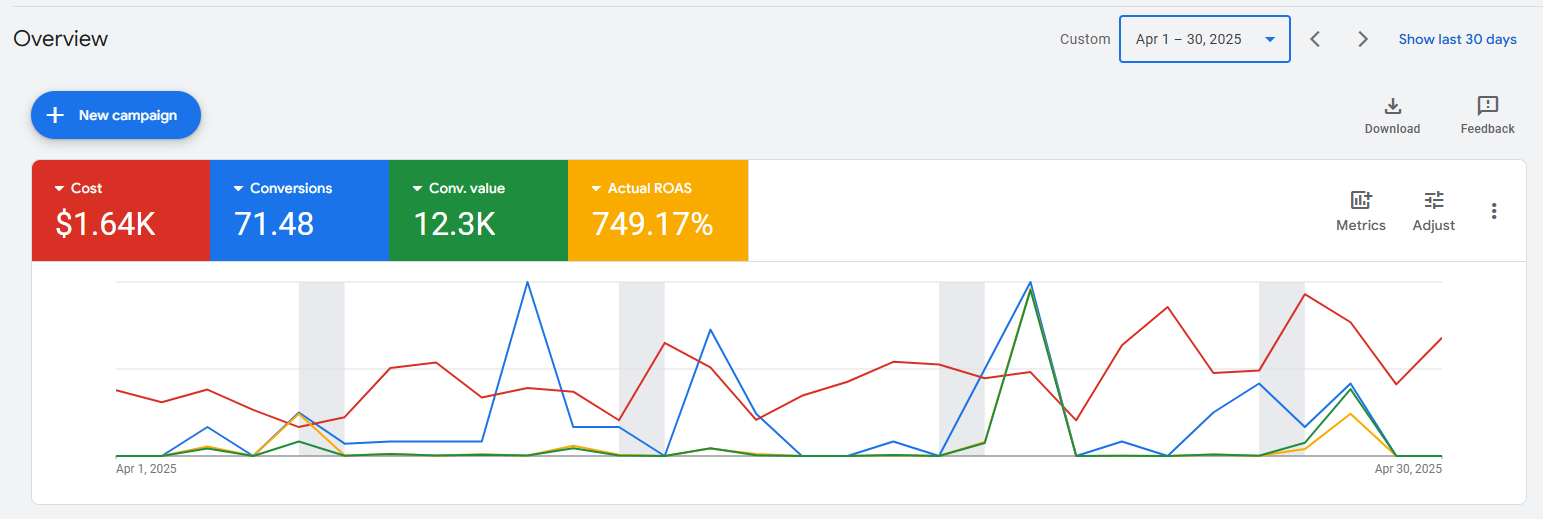
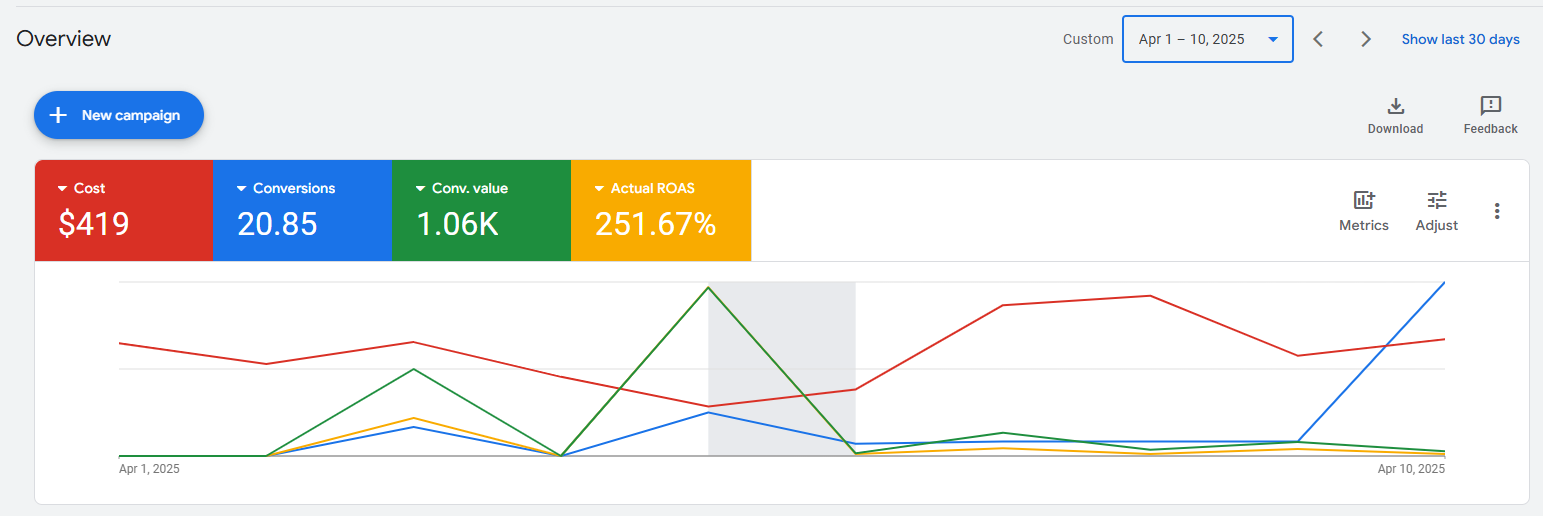
Proof, not promises
Real Google Ads Results From Accounts I’ve Managed
Screenshots taken directly from Google Ads accounts I have worked on. Click any screenshot to see it full size.
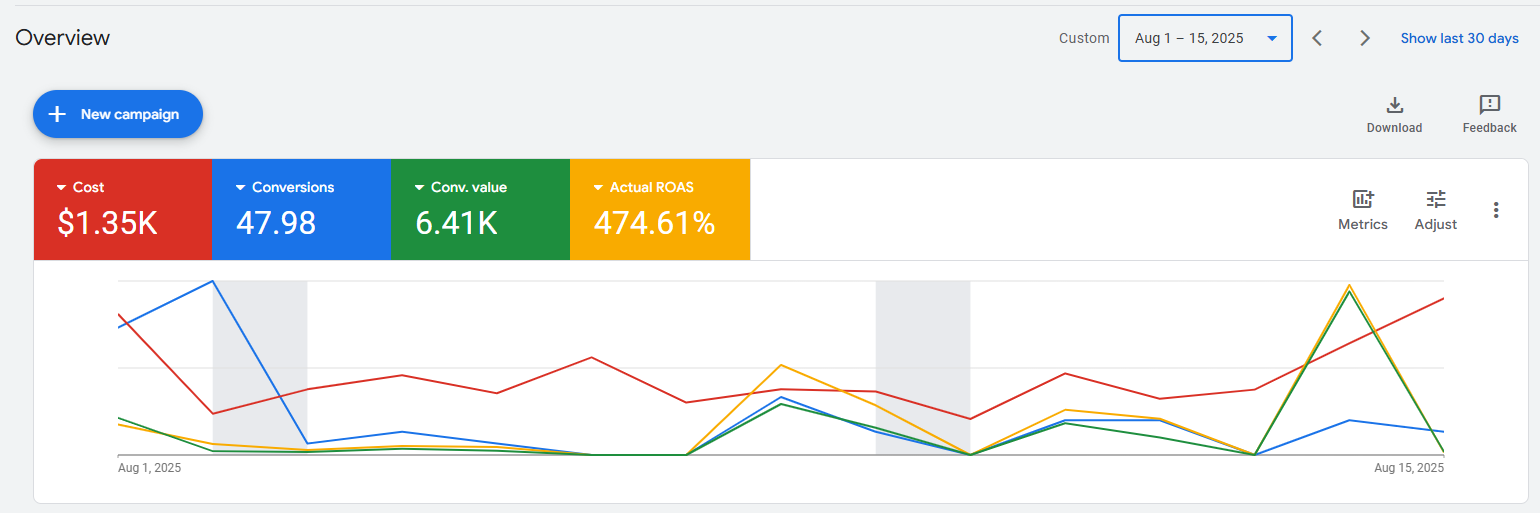

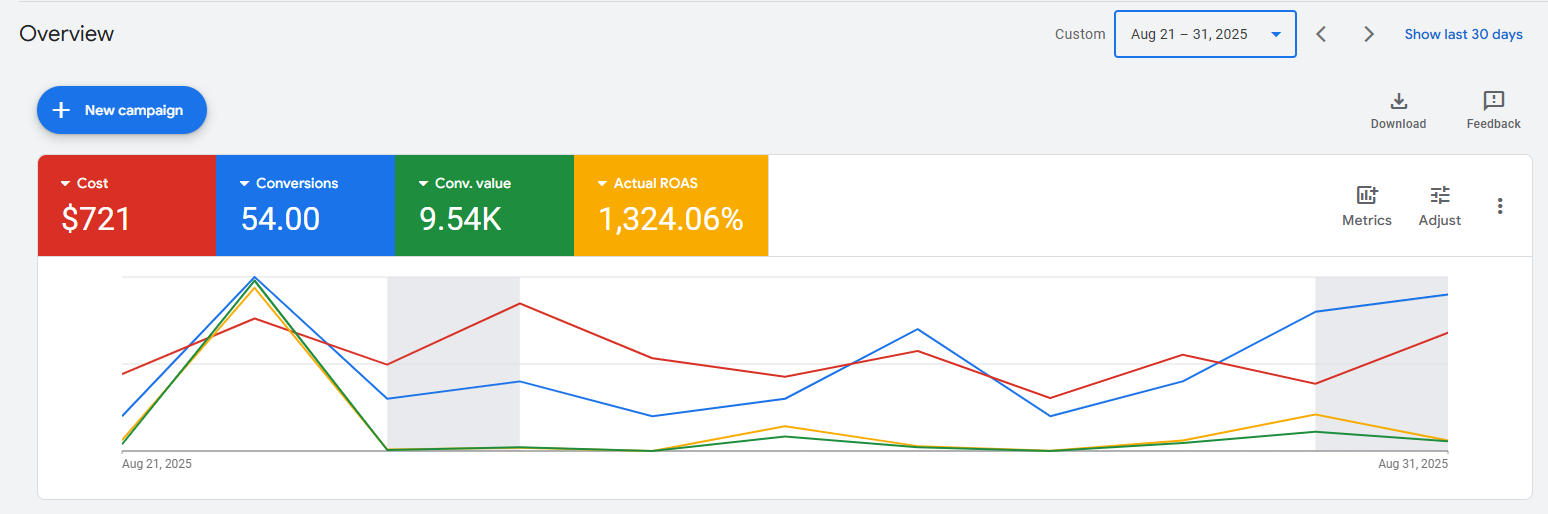
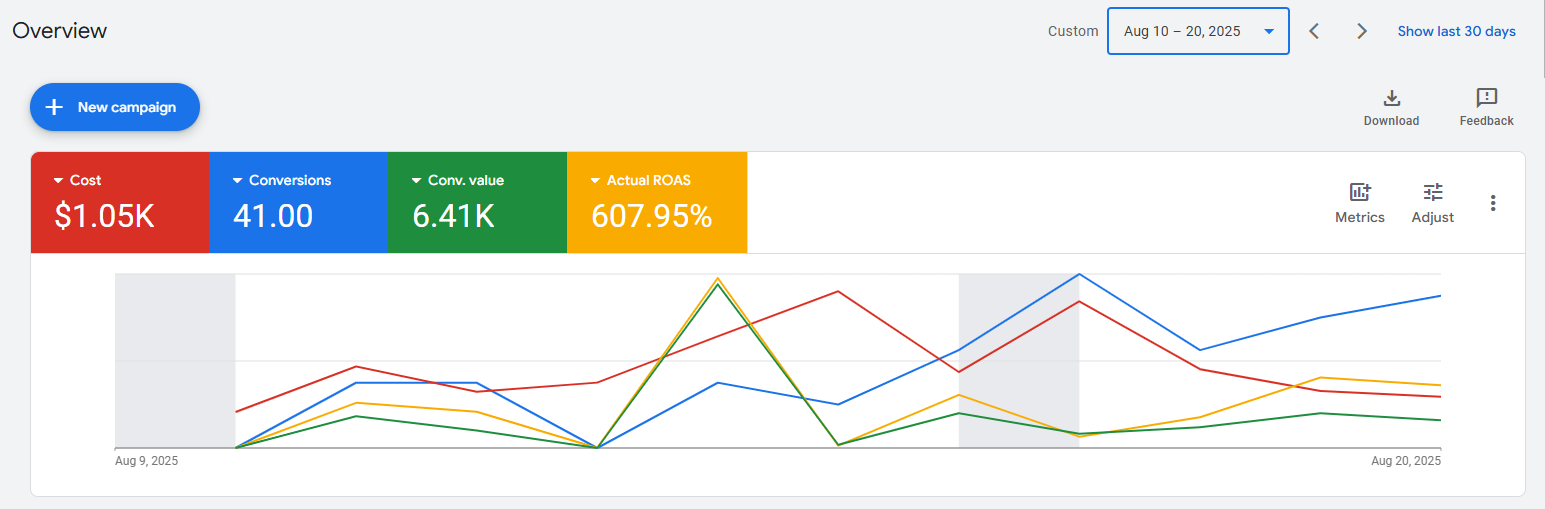
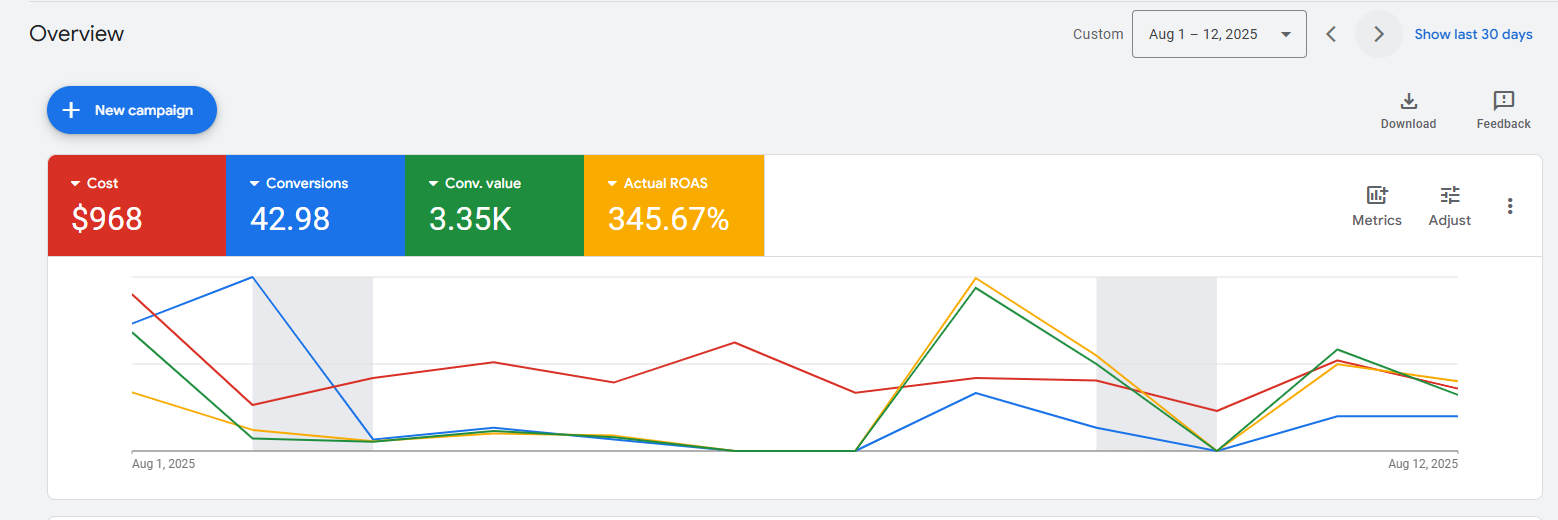
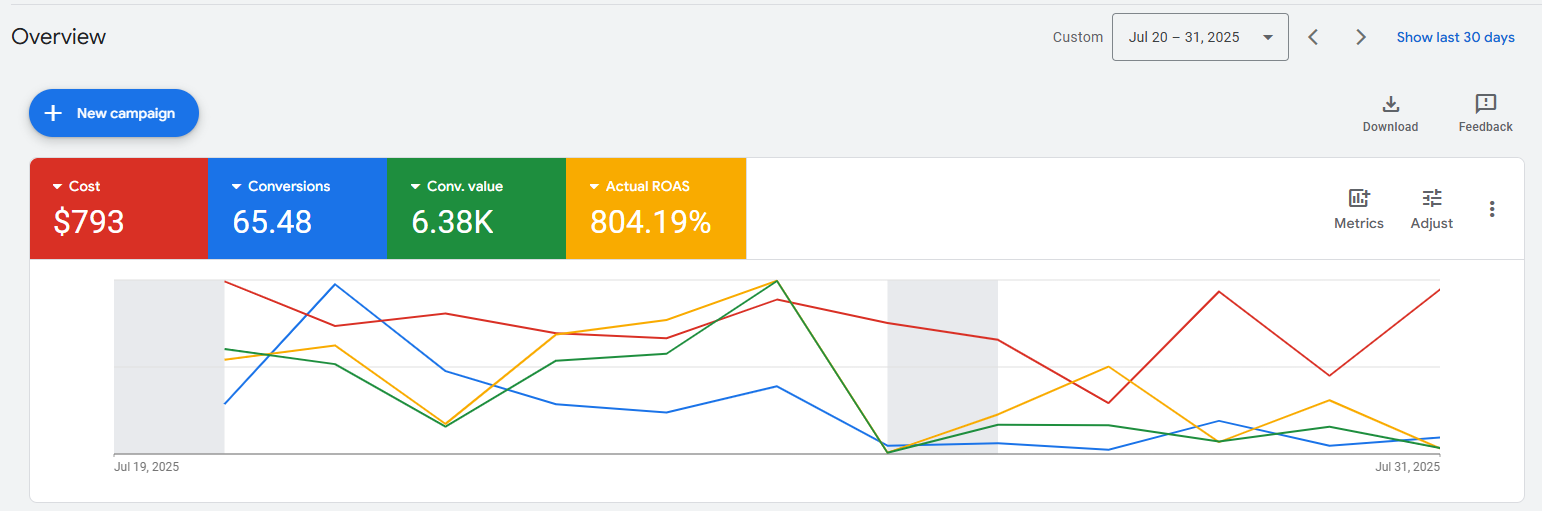
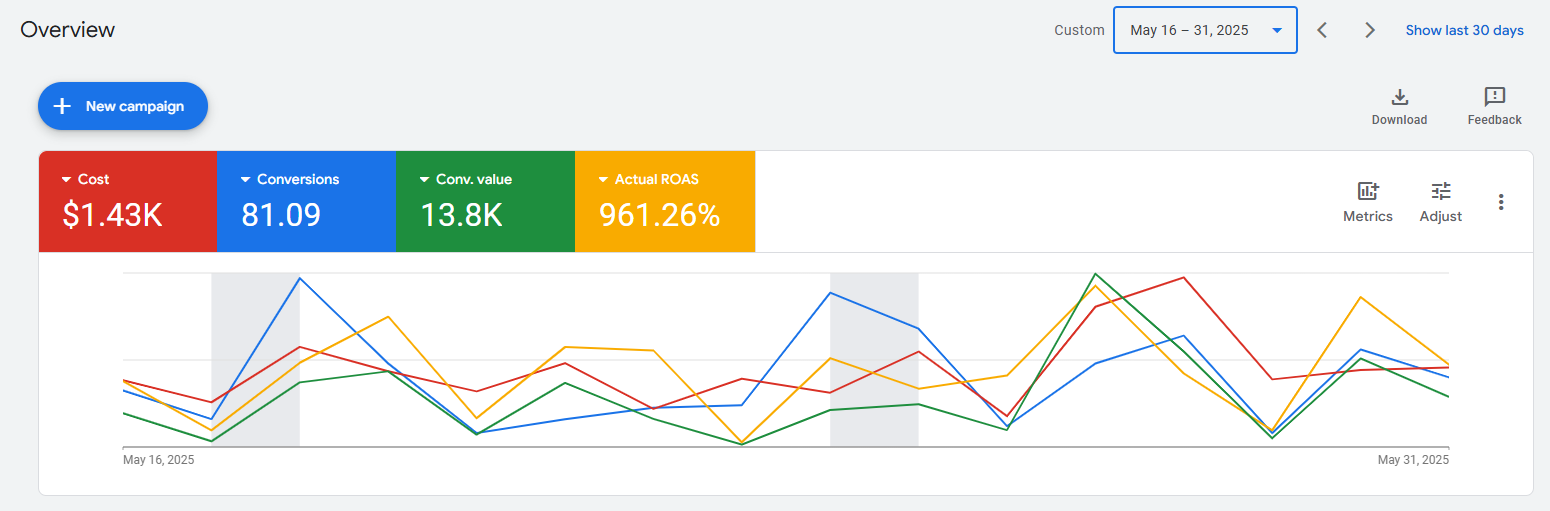
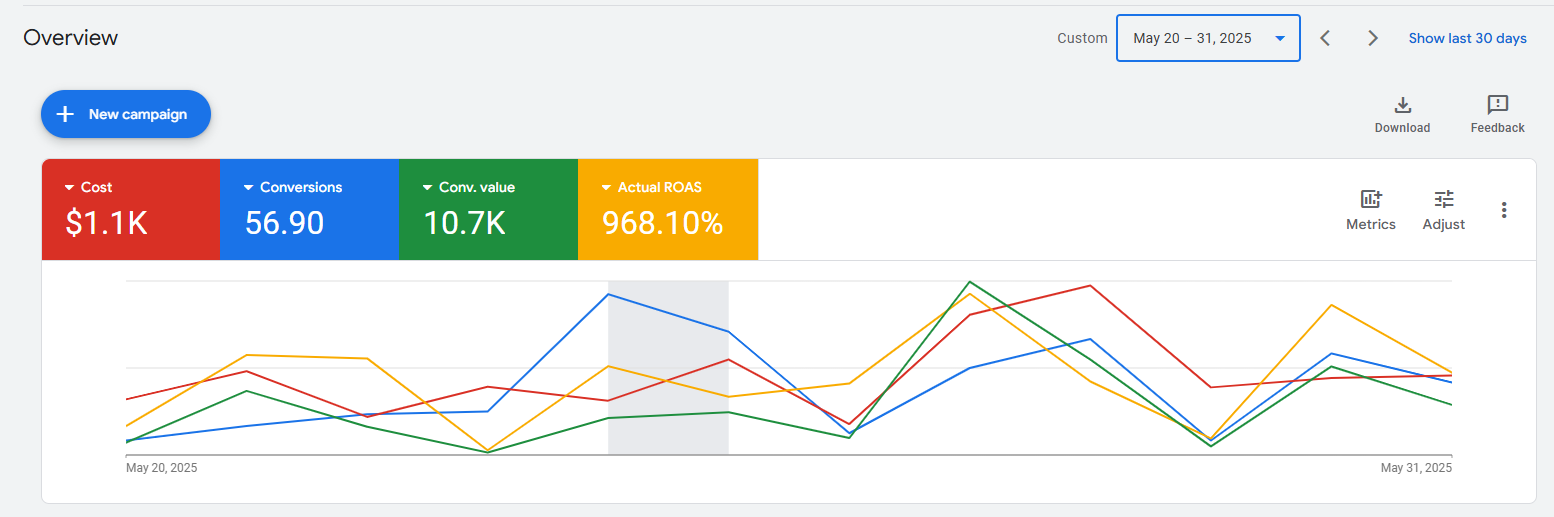
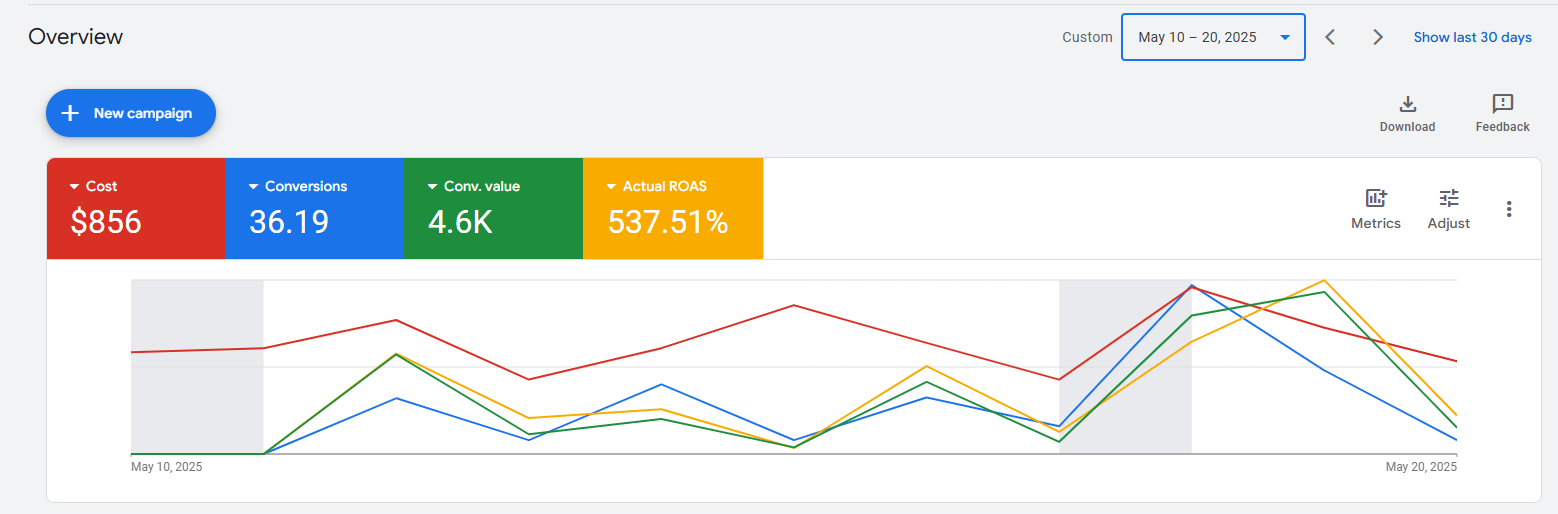

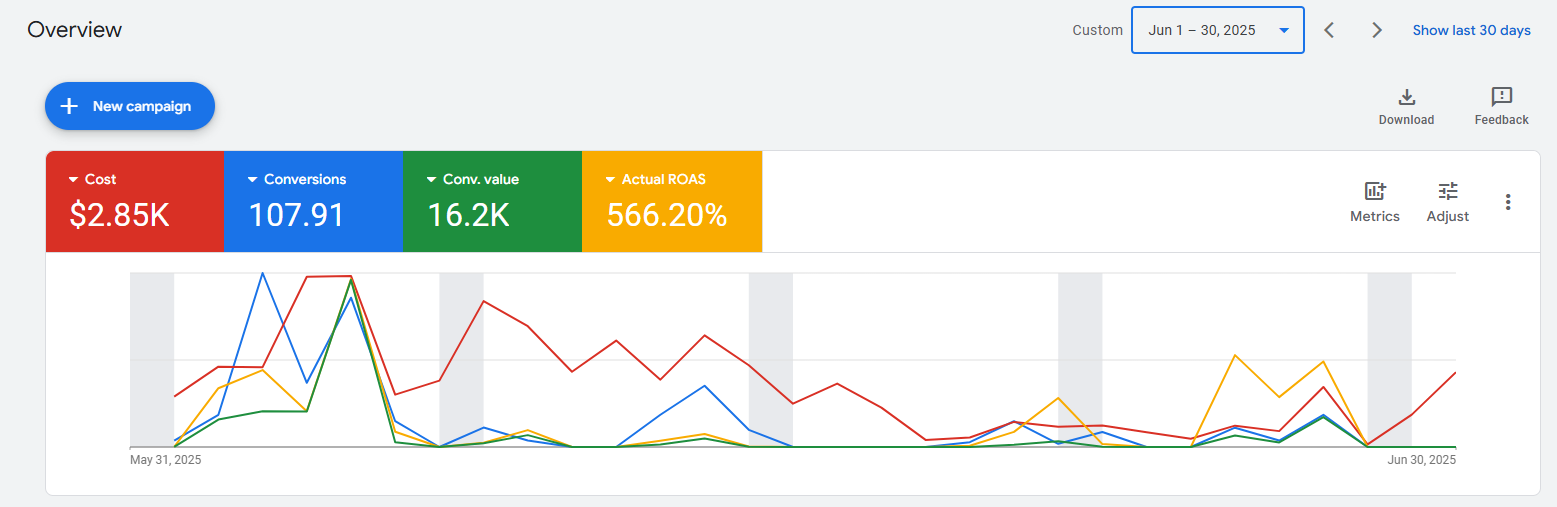

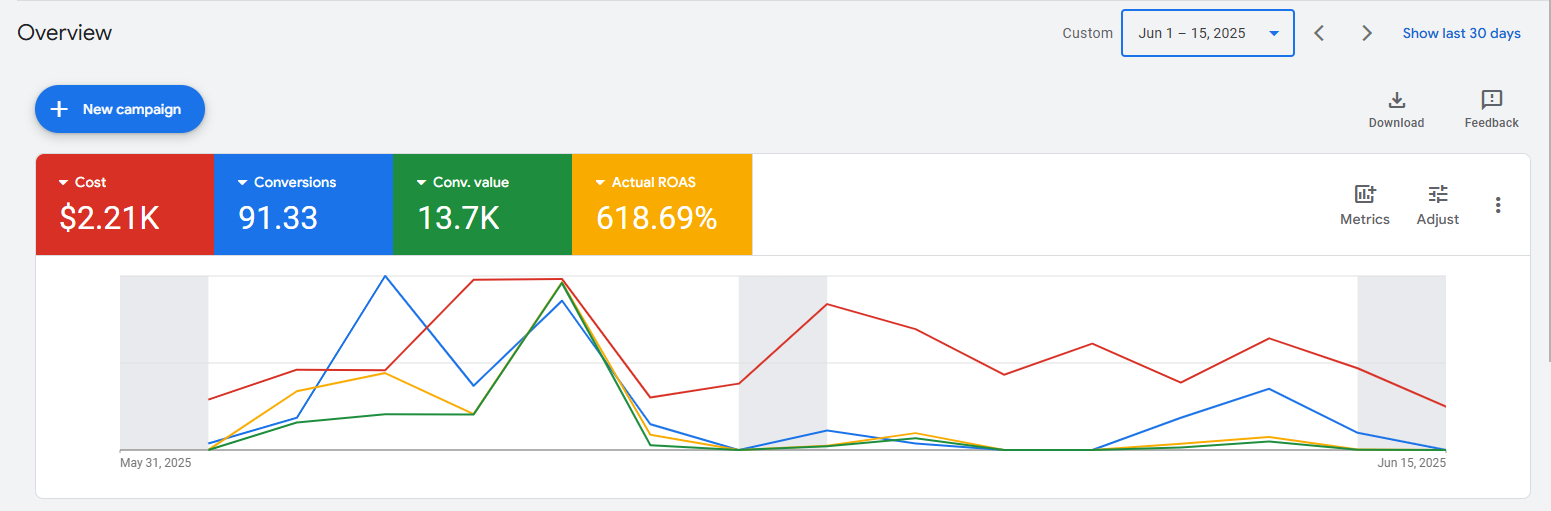

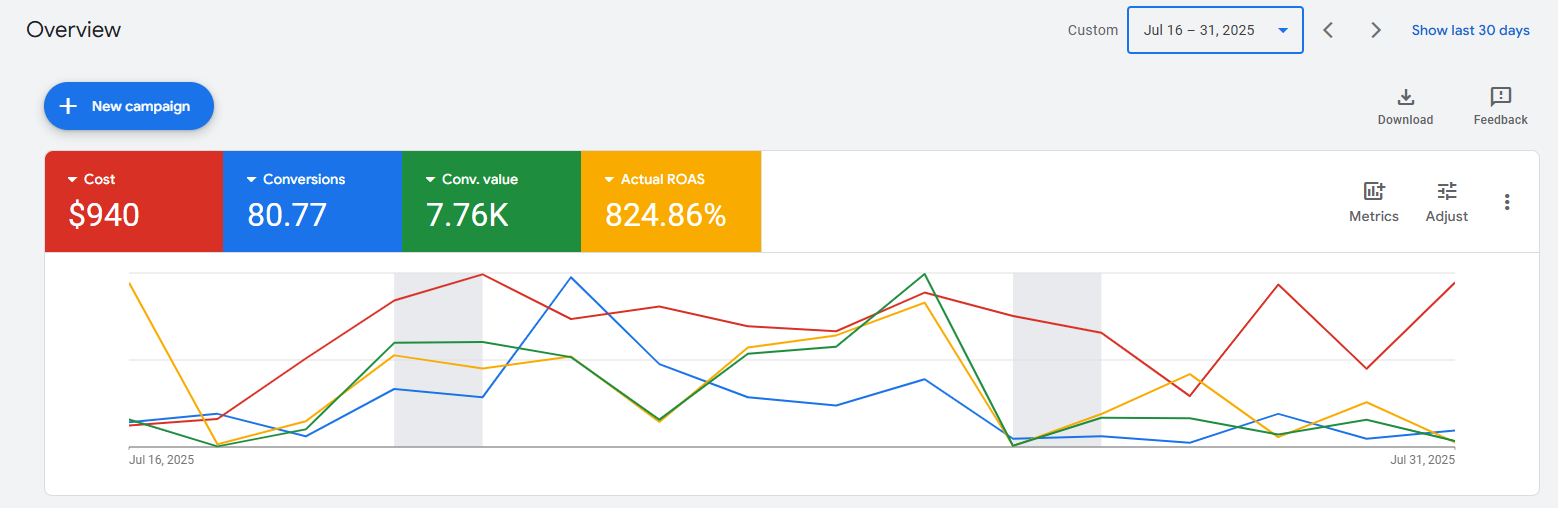
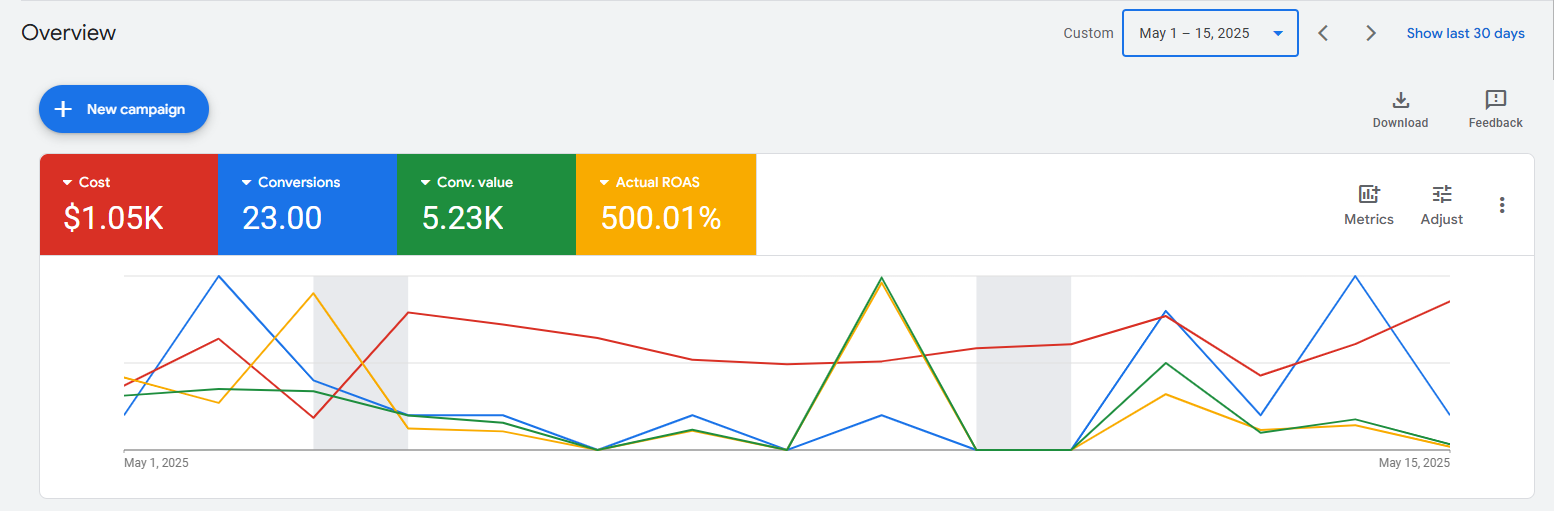
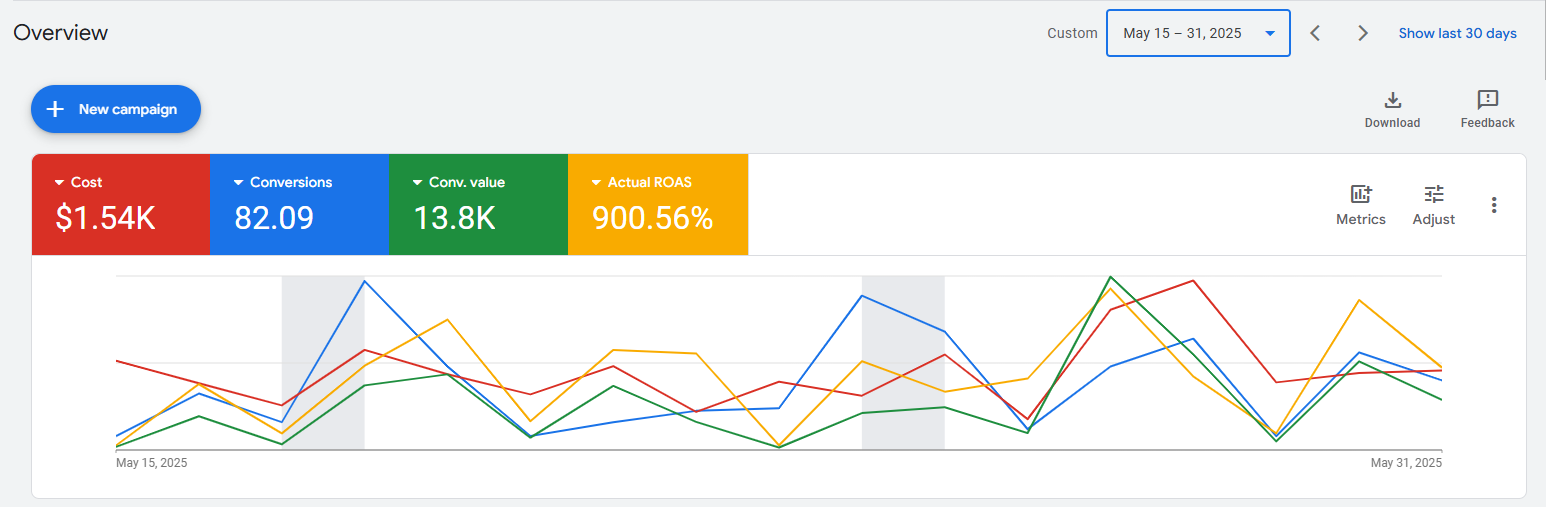
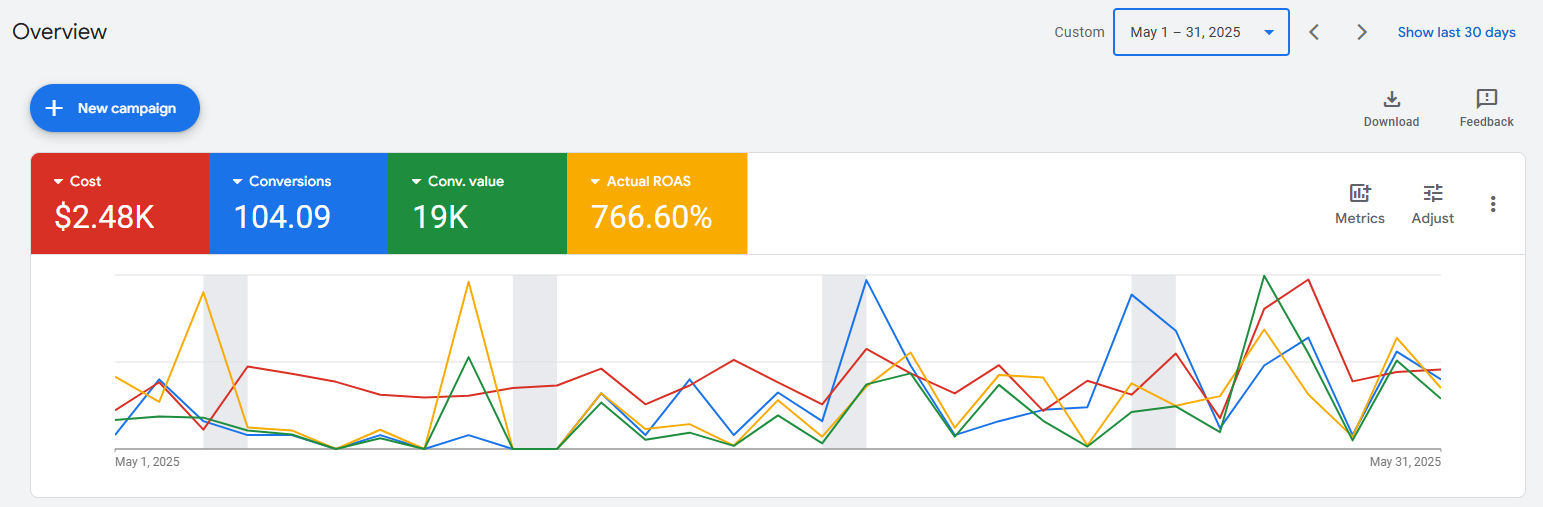

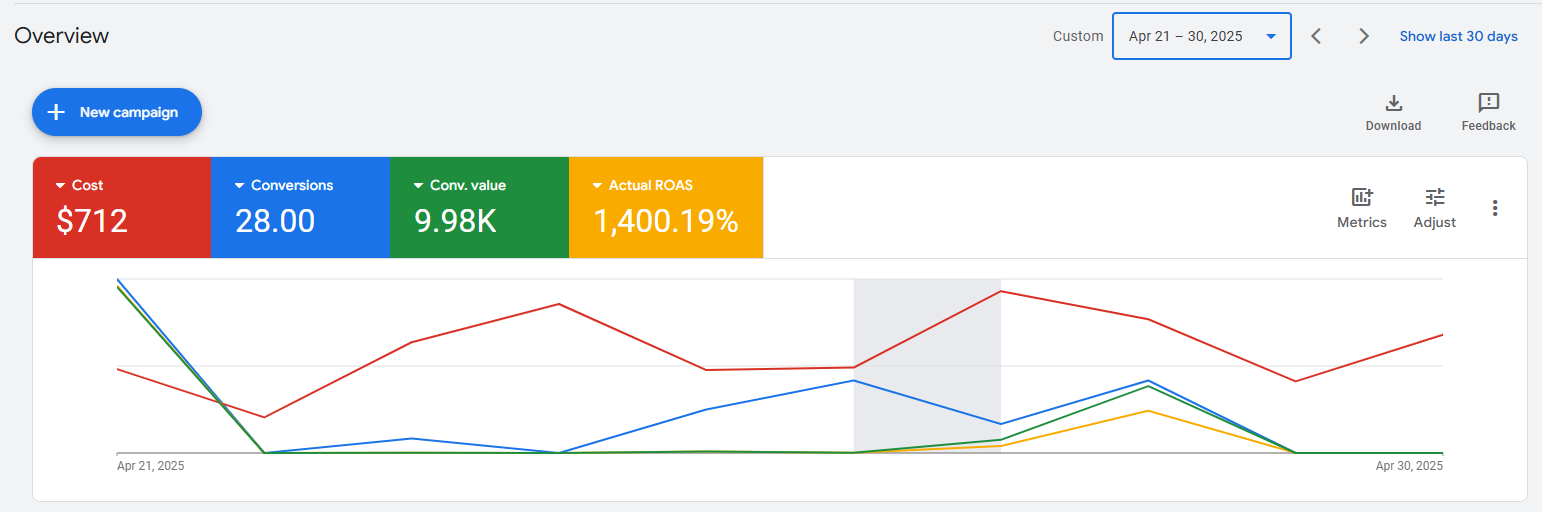

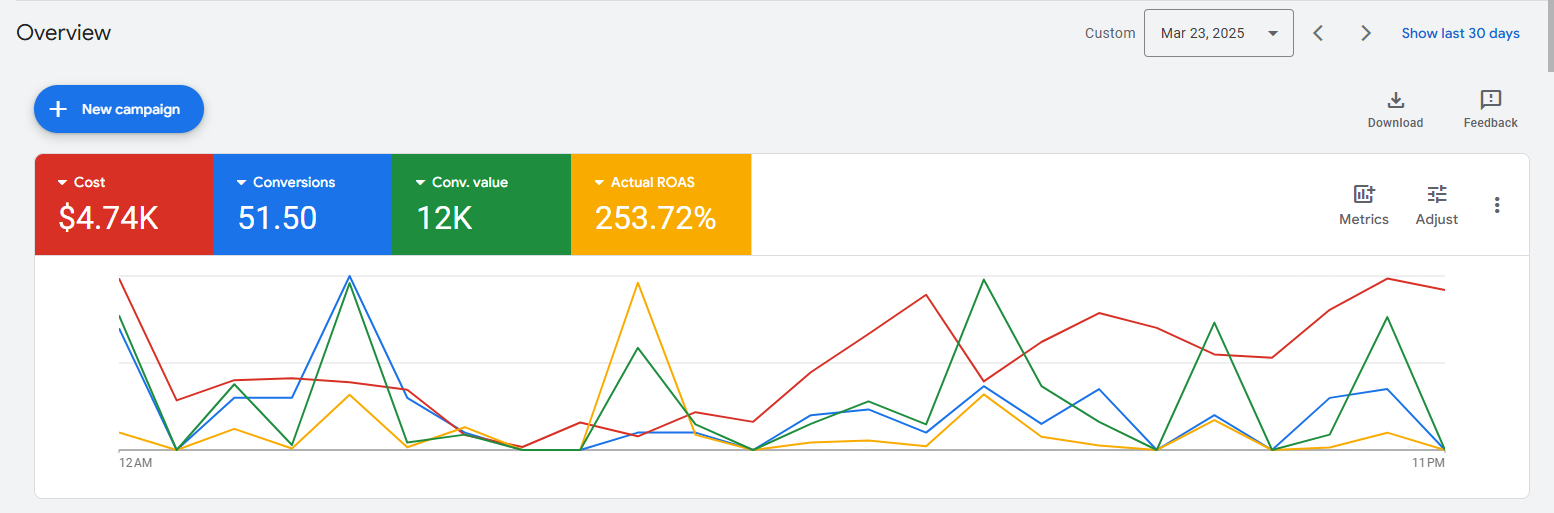
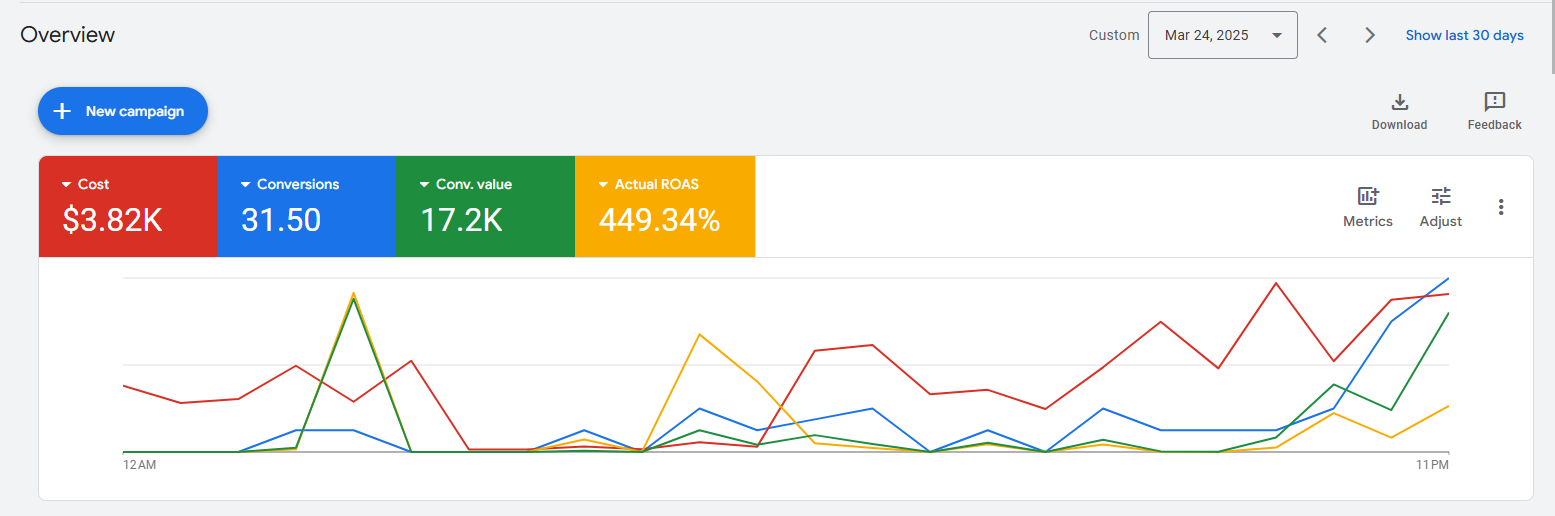
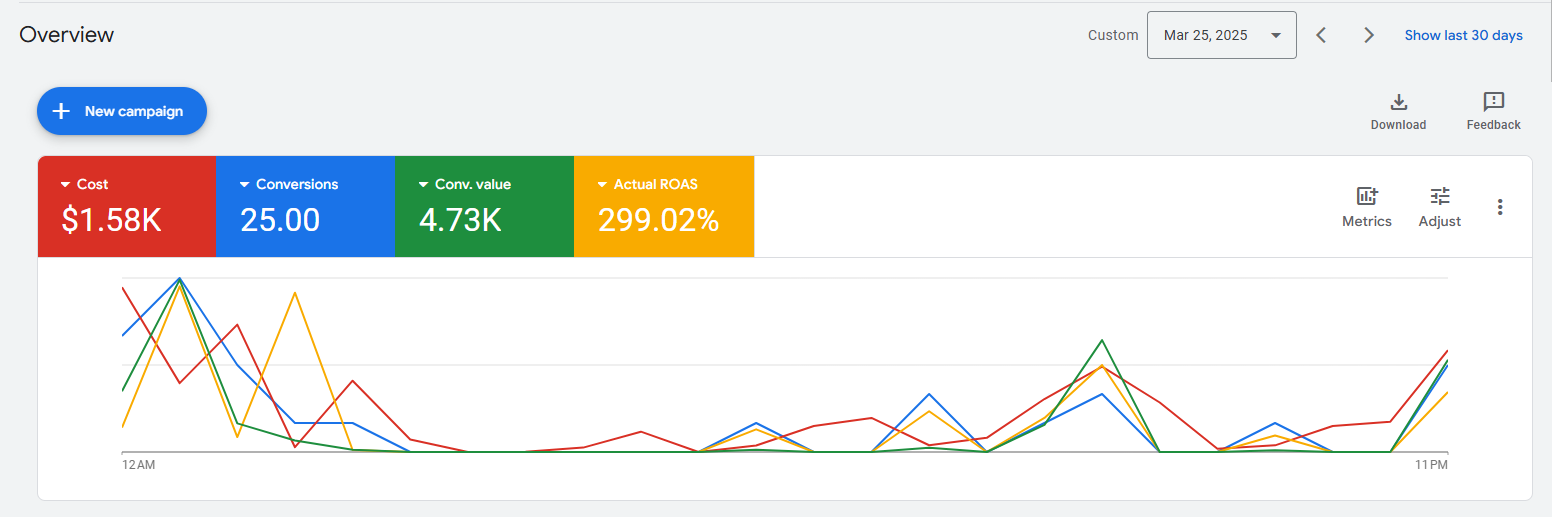

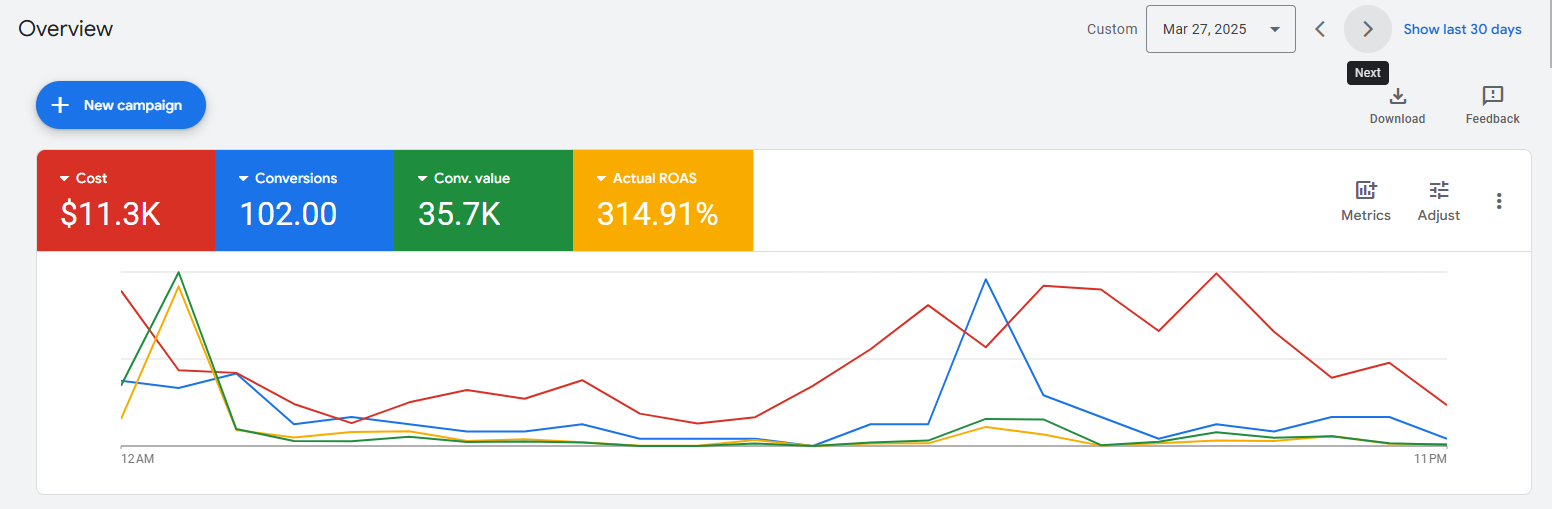

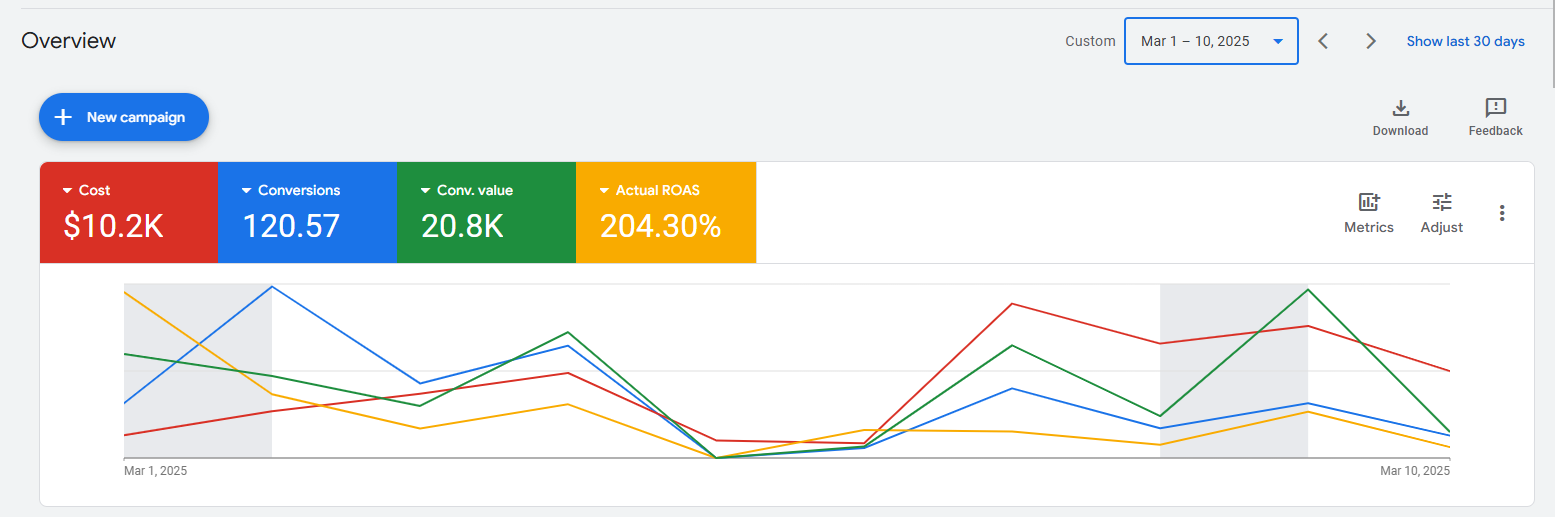

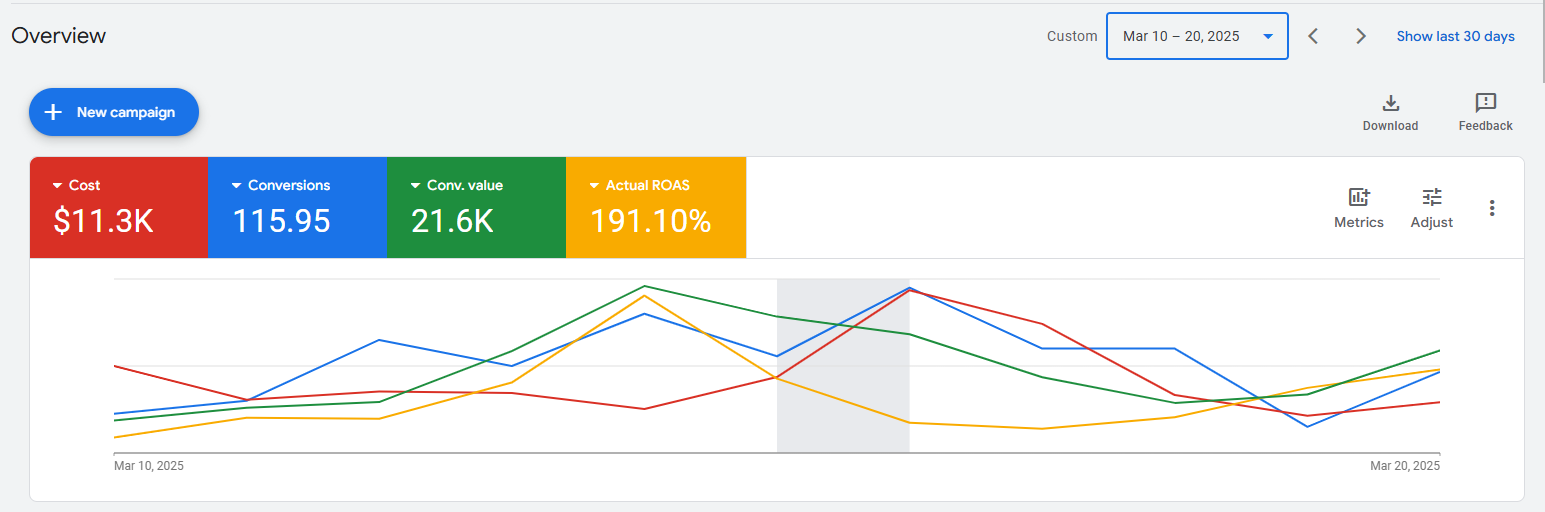
Results vary by industry, market, offer and budget. Past performance is not a guarantee of future results.
Case studies
How Client Ad Spend Turned Into Real Revenue
A closer look at three client campaigns: where they started, what I changed, and what the numbers looked like afterwards.
Coach · Online course
Ad spend
→
Revenue
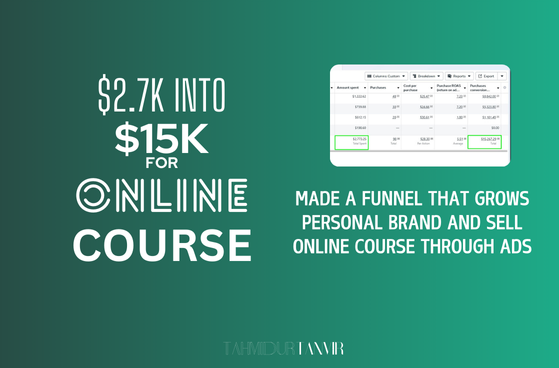
From $2.7K in Ad Spend to $15.2K in Course Sales
This coach needed to sell an online course and grow his personal brand. I built a conversion-focused funnel and ran strategic ads to it, turning a $2,773.25 investment into $15,267.29 in sales.
Non-profit · Fundraising
Ad spend
→
Revenue
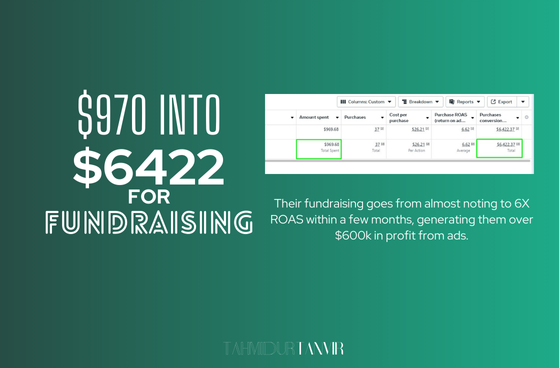
From Losing Money to a 6X Return on Fundraising Ads
This non-profit was losing money on its fundraising ads when they brought me in. In the first month, $970 in ad spend raised $6,422, and the wider fundraising effort went on to generate more than $600K that year.
High-ticket services
Ad spend
→
Revenue
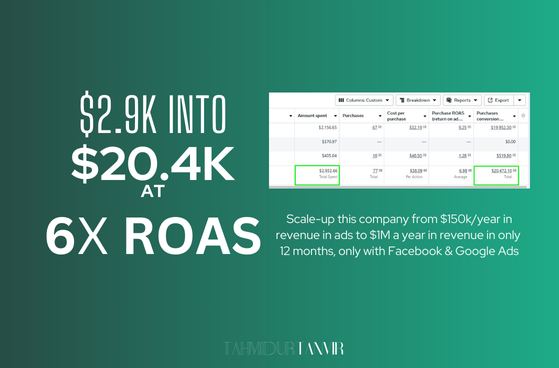
From 2X to 6X ROAS on High-Ticket Sales
This business sells high-ticket services and products. I rebuilt the ad strategy around stronger creatives and smarter retargeting, then tightened spend and targeting, turning $2.9K into $20,472.10 in revenue.
Search intent
How Patients Search for Dentists on Google
Not every search deserves the same bid. I separate Dentists searches by intent, because each type converts differently, costs differently and needs a different ad and landing page.
Urgent & Ready to Book
People who need help now. These usually deserve the highest bids, call-focused ads and ad schedules that match when you can actually answer the phone.
Patients with a toothache, a broken tooth or a lost filling search with real urgency, often on mobile and outside office hours: “emergency dentist near me”, “same day dentist”, “dentist open Saturday” and “broken tooth repair near me”. These deserve their own campaign, call-focused ads and a schedule that only runs when someone can answer the phone and offer an appointment.
Specific Service Searches
Searches for one service or treatment. They are usually the best mix of volume, intent and customer value, so each one gets its own ad group and landing page.
“dental implants near me”, “Invisalign dentist”, “teeth whitening”, “veneers”, “root canal” and “pediatric dentist”. Implants and clear aligners are multi-thousand-dollar treatments, so they get separate ad groups, budgets and landing pages that answer the exact treatment question.
Price & Research Searches
People comparing costs and options. Valuable when your ads and pages answer their questions clearly, wasteful when they lead to a generic homepage.
“how much do dental implants cost”, “Invisalign cost”, “dentist that accepts my insurance”, “dental financing” and “veneers vs crowns”. I bid on cost and insurance searches only when the landing page shows accepted plans, financing options or a clear consultation offer; otherwise they mostly attract browsers.
Comparison & Brand Searches
Searches for reviews, “best” lists and specific providers, including your own business name, which competitors may already be bidding on.
“best dentist near me”, “dentist reviews” and searches for your own practice name. Group practices and dental chains may bid on independent practices’ names, so a small, inexpensive brand campaign protects patients who are already looking for you.
Costs & benchmarks
What Google Ads Costs for Dentists
Clicks in some industries look expensive until you compare them with what a new customer is worth. These are the numbers I look at before recommending a budget.
About $8.00
WordStream’s 2026 search benchmarks put the median cost per click for dentists and dental services at $8.00, one of the highest of any industry. Implant, cosmetic and emergency terms in large metros often cost more.
About $73
The same 2026 WordStream data puts the median dental cost per lead at $72.97, with a 10.67% conversion rate. Your real number depends on your market, your offer and how quickly calls are answered.
Often $1,000s
A single implant or clear-aligner case is typically a multi-thousand-dollar treatment, and a family that stays with your practice for years is worth far more than the first cleaning. The right cost per lead depends on which treatment the lead is for.
How I Work Out a Profitable Cost per Click
The real question is not whether clicks are expensive. It is how much you can afford to pay for a click and still make money. I start with three numbers: what a new customer is worth, how many leads turn into customers, and how many clicks turn into leads. Multiply them together and you get a break-even cost per click, which tells us which keywords are worth buying and which ones are not.
Illustrative example: if a new patient is worth $1,500 to your practice in the first year, half of booked consultations become patients, and 10% of ad clicks turn into a booked consultation, each click is worth $1,500 × 0.50 × 0.10 = $75 at break-even. Keywords costing $8–$15 per click leave real room for profit; broad terms that rarely book may not. For implants or aligners, the affordable cost per click is much higher.
Campaign structure
The Google Ads Structure I Build for Dentists
A good account is built around how your patients search and how your business makes money, not around a one-size-fits-all template.
Search Campaigns Built Around Services
Each high-value service gets its own campaign or ad group, its own ads and its own landing page, so budget follows the services that make you money and you can see exactly what each one costs.
For most practices that means separate campaigns or ad groups for new-patient exams and cleanings, emergency dentistry, dental implants, clear aligners such as Invisalign, cosmetic treatments like veneers and whitening, and pediatric or family dentistry, each with its own budget and landing page.
Local Services Ads Where You Qualify
For many home-service and professional categories, Google shows Local Services Ads with a Google Guaranteed or Google Screened badge above regular ads, charged per lead instead of per click. When you qualify, I plan them alongside Search rather than instead of it.
Local Services Ads are available for dentists in many US markets. They charge per lead instead of per click and show your reviews and verification badge at the very top of the page. I use them alongside Search: LSAs for broad “dentist near me” demand, Search campaigns for high-value treatments and emergency searches.
Call-First Ads & Map Visibility
For businesses where customers prefer to phone, I prioritize call assets, call-only formats where they fit, location assets and accurate business hours, so ads only push calls when someone can answer.
Remarketing & Automated Campaigns, Used Carefully
Remarketing and Performance Max can help, but only once conversion tracking is reliable and the basics are profitable. Otherwise they spend quickly on low-quality traffic.
Keywords
Keywords I Target for Dentists, and the Ones I Block
Choosing what not to pay for is just as important as choosing what to bid on. Negative keywords are added on day one, not after the budget is gone.
High-Intent Keywords I Prioritize
Searches that show a real need, a specific service and a location are usually where profitable campaigns start.
- new patient dentist + city
- emergency dentist near me / same day dentist
- dental implants near me / implant dentist
- Invisalign dentist / clear aligners near me
- cosmetic dentist / veneers / teeth whitening
- root canal / tooth extraction near me
- family dentist / pediatric dentist
- dentist accepting new patients
- dentists accepting specific insurance plans
- sedation dentist near me
Negative Keywords I Add From Day One
Job seekers, DIY researchers, students and people looking for free help can drain a budget without producing a single customer.
- dental assistant, hygienist and dentist jobs or salary
- dental school, courses and CE
- free dental clinic (unless you offer one)
- home remedies, DIY and “how to” toothache searches
- dental supplies, equipment and wholesale
- dental insurance quotes and plan comparisons
- dental lab and technician searches
- toothpaste, mouthwash and product searches
- pet or veterinary dentistry
- insurance programs you do not accept
Ads & landing pages
Ad Copy and Landing Pages That Convert for Dentists
Most dental clicks come from people choosing between three or four practices on one results page. The ad has to answer the questions patients care about before they call: can I get in soon, do you take my insurance, and what will it cost.
Ad messages that work
- New-patient availability: “New Patients Welcome, Appointments This Week” outperforms generic quality claims, because availability is what patients are actually filtering on.
- Insurance and payment: naming the PPO networks you accept, or an in-house membership plan for uninsured patients, removes the biggest reason people hesitate.
- Emergency care: a separate ad group for tooth pain and broken teeth, with call-only or call-focused ads during opening hours.
- High-value treatments: implants, Invisalign and veneers each get their own ads that mention financing, because these patients compare prices.
What the landing page needs
- Online booking or a click-to-call button above the fold, with real opening hours.
- The insurance plans you accept listed on the page, not hidden in a PDF.
- Photos of the actual office and team rather than stock images.
- A separate page per treatment, so an implant search does not land on a general cleaning page.
Common mistakes
Google Ads Mistakes I See Dentists Make Most Often
When I audit Dentists accounts, the same few problems usually explain most of the wasted spend.
- Every ad goes to the homepage. An implant searcher who lands on a general page rarely books. Each major treatment needs its own page.
- Emergency and cosmetic share one campaign. They have completely different urgency, budgets and ad schedules.
- Emergency ads run when no one answers. Paying for after-hours calls that go to voicemail is one of the most common leaks.
- Every call counts as a lead. Without call duration and booked-appointment tracking, bidding optimizes for the wrong thing.
- Remarketing mentions specific treatments. Under Google’s personalized advertising rules this can get lists and ads disabled.
- No insurance or financing in the ads. Many patients filter dentists by insurance first; leaving it out lowers click-through and bookings.
More proof
Campaigns I Improved
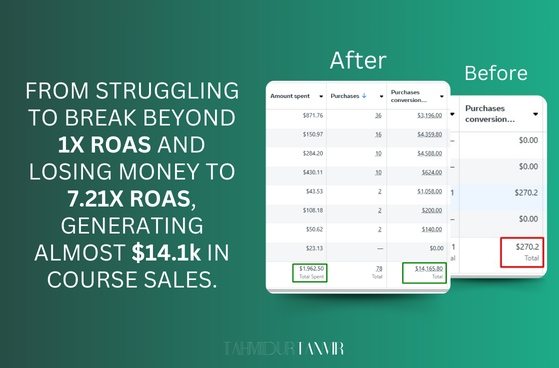
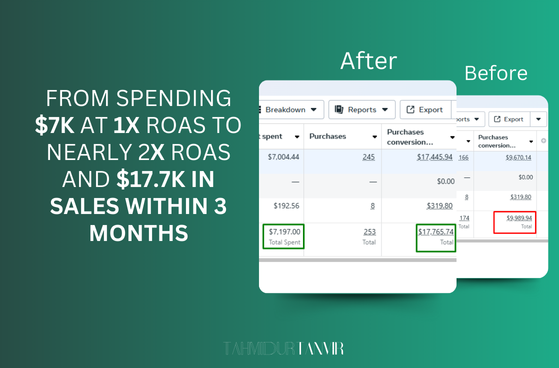
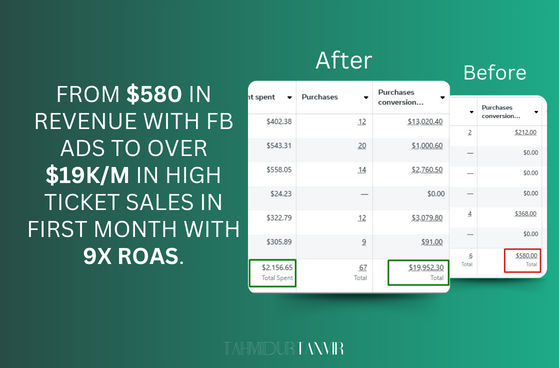
Real accounts after restructuring keywords, negatives, bidding and tracking. Click any screenshot to view it full size.
Certified & accountable
You Work With a Google-Certified Expert, Not a Junior Account Rep
Live from the ad account
Google Ads Strategy Breakdowns From a Working Google Ads Expert
The exact frameworks I use to cut wasted spend and generate qualified leads for clients across the United States. Each new breakdown appears here the moment it is published.
TARGET BUYERS, NOT SEARCHERS
STOP BURNING AD BUDGET
Is Your Practice Paying for Clicks That Never Book?
Send me your website and current campaigns. I’ll show you where dental ad spend is leaking and which treatments deserve more budget, free and with no obligation.
Policies & trust
Compliance, Policies & Trust Signals for Dentists
Some industries face Google Ads policy restrictions, advertiser verification or professional advertising rules. Getting this wrong can mean disapproved ads, limited reach or a suspended account.
Rules That Affect Your Ads
Google treats health as a sensitive category under its personalized advertising policy, so remarketing and audience targeting that implies a specific condition or treatment, such as implants, can be restricted. Ads and landing pages must avoid unsupported claims. Many state dental boards and ADA ethics guidance also limit how specialty services and patient testimonials can be advertised, and rules vary by state. On the tracking side, patient health details should never be sent to ad platforms.
Trust Signals Patients Look For
Real Google reviews, accepted insurance plans, financing options, credentials (DDS or DMD and any specialty training), photos of your team and office, clear new-patient offers and emergency availability. I bring these into ad assets and the top of each landing page, because they are what patients compare before calling.
Seasonality
When Patients Search, and How Budgets Should Follow
Demand for most industries rises and falls through the year. A flat monthly budget usually overspends in quiet months and runs out when demand is highest.
Most dental insurance plans reset on January 1, which drives a strong new-patient month in January. Back-to-school checkups lift family and pediatric demand in late summer, and November and December bring a rush of patients trying to use benefits before they expire on December 31. Emergency demand runs year-round. I raise budgets ahead of those windows, adjust messaging to benefits and family care, and keep emergency campaigns always on.
Measurement
What I Track for Dentists, Beyond Clicks
Clicks and impressions do not pay the bills. I set up tracking so you can see which campaigns and keywords produce real patients.
Qualified Calls
Calls from ads are tracked by duration and source, so short and accidental calls are not counted as leads.
Forms & Bookings
Form submissions and online bookings are tracked as conversions, separated from page views and button clicks.
Real Business Outcomes
Where possible, leads are matched to jobs, appointments or sales, so bidding can learn from the leads that actually become customers.
The KPI that matters is booked and kept new-patient appointments, plus treatment acceptance for high-value cases such as implants and aligners. Calls are tracked by duration and whether they were answered. Where possible, booked patients are matched back from practice management software such as Dentrix, Eaglesoft or Open Dental and imported into Google Ads as offline conversions.
Watch
Get to Know How I Work Before You Reach Out
Two short videos: why businesses choose to work with me, and what clients say about the experience.
Why Hire Me as Your Google Ads Expert?
A quick introduction to who I am and how I approach Google Ads for businesses that want measurable leads, not just clicks.
What Clients Say About Working With Me
Hear directly from a client about the process and the results of working together.
Not Sure Where Your Budget Is Leaking?
Send me your website and current setup. I’ll point out the waste I would fix first, free and with no obligation.
Where I work
Google Ads for This Industry Across US Cities
Local markets differ in competition, seasonality and search behavior. Explore how I plan campaigns in these cities:
Questions
Google Ads for Dentists: FAQs
How much does Google Ads cost for Dentists?
WordStream’s 2026 benchmarks put dental search ads at a median of about $8.00 per click and $72.97 per lead. Implant, cosmetic and emergency terms in big cities often cost more. Most single-location practices start somewhere around $1,500–$5,000 a month in ad spend, depending on the market and which treatments they want to grow.
Is Google Ads worth it for a dental practice?
It usually is when a new patient is worth significantly more than the cost of acquiring one, the front desk answers calls quickly, and you have capacity for new patients. It is rarely worth it if the schedule is already full, calls go to voicemail, or every ad sends people to a generic homepage.
What keywords should Dentists bid on?
Start with high-intent searches: emergency dentist near me, dental implants, Invisalign or clear aligners, cosmetic dentistry, family and pediatric dentist, and “dentist accepting new patients” in your area. Block jobs, dental school, DIY remedies, supplies and insurance-quote searches from day one.
Should Dentists use Local Services Ads or Google Search Ads?
Use both when you qualify. Local Services Ads charge per lead and capture broad “dentist near me” demand at the top of the page, while Search campaigns give you control over high-value treatments, emergency searches and landing pages.
How long does it take to see results from Google Ads for Dentists?
Well-built campaigns usually generate first calls within days. The first 4–8 weeks are a learning period for keywords, bids and negatives; most practices see stable cost per patient after 2–3 months of optimization.
Are there Google Ads restrictions for Dentists?
Yes. Health is a sensitive category in Google’s personalized advertising policy, so remarketing that implies a specific treatment can be restricted, and health claims must be supported. Many state dental boards also limit how specialties and testimonials can be advertised.
How do you track leads from Google Ads for a dental practice?
Calls are tracked by duration and answer status, forms and online bookings are tracked as separate conversions, and booked patients are ideally matched back from your practice management software, so Google Ads learns from patients who actually booked.
Can you run Google Ads for Dentists in multiple cities or states?
Yes. Multi-location practices get separate campaigns or location targeting per office, budgets based on each location’s capacity, and landing pages that show the right address, hours, doctors and insurance for each location.
More industries
Google Ads for Related Industries
I also manage Google Ads for businesses in these related industries:
See all industries I work with, browse Google Ads help by state, or learn why businesses hire a Google Ads expert to manage their campaigns.
Need help with one part of your account? See Google Ads audits, keyword research, negative keyword management or full Google Ads management.
By location
Google Ads for Dentists in Your State
I manage campaigns for dentists across the US, with targeting, budgets and messaging built around each local market.
Don’t see your state? View all 50 states.
Office & service area
Google Ads for Dentists, Managed From Washington, DC
I manage Google Ads for dentists across the United States from my office in Washington, DC. Every campaign is targeted to your own service area, with keywords, ad schedules and budgets built around how your customers search locally. Reach me by WhatsApp or email, or visit the office by appointment.
- AddressTahmidur Tanvir, Google Ads Expert
1513 1st St SW
Washington, DC 20024, USA - Phone+1 (855) 591-9973
- WhatsAppMessage me on WhatsApp
- Email[email protected]
Start here
Hire Tahmidur Tanvir as Your Google Ads Expert for Dentists
You do not need to decide immediately whether you need months of campaign management.
Start with the problem. Tell me:
- What your business sells
- Where you operate
- What you currently spend
- What is not working
- What you want Google Ads to achieve
I will look at the account or opportunity from there.
What You Receive From the Initial Review
- Targeting
- Keywords and search terms
- Potential wasted spend
- Conversion tracking
- Location settings
- Campaign structure
- Budget allocation
- Landing-page alignment
Then I can explain what I believe deserves attention first.
I’m Tahmidur Tanvir — Google Ads Expert helping Dentists build more measurable, disciplined, and performance-focused paid advertising campaigns.
Request Your Google Ads Waste & Opportunity Review
Usually answered within one business day.
Prefer to talk? Book a 30-minute call or message on WhatsApp.